The right amount of Paint Protection Film depends on where your vehicle takes damage, how you drive it and how long you plan to keep it. Partial front coverage protects selected areas hit hardest by road debris. Fuller front coverage extends that protection to more of the front end. Full-vehicle coverage protects a much larger portion of the body. None of these is automatically better. The best choice is the one that matches your real risk and your priorities, and it is worth deciding on purpose rather than by default.
Trent’s Total Auto Care offers professional installation of Johnson Paint Protection Film by certified installers. PPF is a durable, nearly invisible urethane film, also called a clear bra, designed for high-impact areas such as bumpers, hoods, fenders, mirrors, door edges and rocker panels. Understanding the coverage options helps you identify which areas matter most before you commit.
What “Coverage” Actually Means
PPF is installed panel by panel. Choosing coverage means choosing which panels, or which parts of panels, get film.
Trent’s Total Auto Care lists Partial Front, Full Front, Track Pack and Full Car options. Exact inclusions depend on the selected package, so always check the current service details rather than relying on the label alone.
Partial Front generally focuses on areas taking direct impacts, such as the front bumper, part of the hood, sections of the front fenders and sometimes the headlights or mirrors, depending on the package.
Full Front extends protection across more of the front end, commonly including the full hood, front fenders, bumper and mirrors.
Full Car covers a much larger range of painted exterior surfaces, including doors, rear panels and other exposed areas.
The High-Impact Zones
Not every panel faces the same risk. A few areas account for a large share of stone chips and road debris damage.
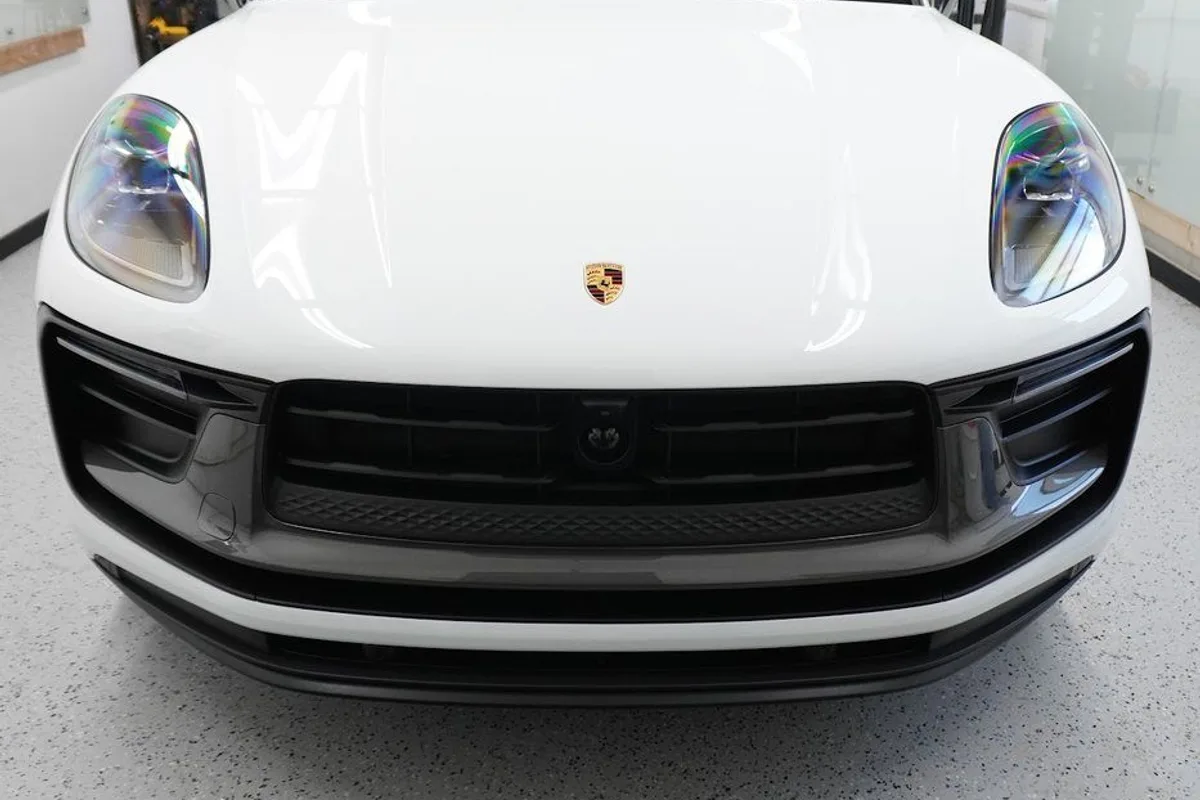
The front bumper faces forward and sits low, making it one of the most exposed panels. The leading edge of the hood takes direct hits at speed. The front fenders and mirrors catch debris at the sides. Headlights can pit and cloud from constant impact on some vehicles.
These are the zones many people prioritize, and they form the foundation of partial and full-front options.
Protection becomes particularly relevant for owners who drive frequently on highways or roads with gravel and construction debris.
The High-Contact Zones
Road debris is only one source of paint damage. Everyday contact causes a different kind of wear in different places.
Door edges can chip when opened against walls, posts and nearby objects in tight parking spaces. Door cups, the recesses behind the handles, can collect fine scratches from fingernails and rings. Rocker panels and lower door areas take impacts from road spray and debris. Rear bumper tops and cargo sills can pick up scuffs from loading and unloading.
These areas are easy to overlook when you are thinking about rock chips, but for some owners they are the real source of damage. A vehicle that regularly parks in crowded lots has different needs from one used mainly for highway driving.
Factors That Should Drive Your Choice
How and Where You Drive
A vehicle that spends hours each week on highways, where debris kicks up at speed, benefits far more from substantial front coverage than one limited to short, low-speed trips.
Rural and gravel-adjacent routes can increase the risk further. If you commute between Marysville and the Columbus area, or regularly drive on roads where trucks and construction traffic are common, the front end deserves attention.
How Long You Plan to Keep the Vehicle
Film is an investment in the paint. The longer you plan to own the vehicle, the more sense broader coverage may make, because you will be living with the paint for years.
If you are leasing or expect to sell soon, a more targeted approach may fit better. The decision depends on your goals, how the vehicle is used and how much protection matters to you.
The Vehicle Itself
Some vehicles have large, flat, exposed front ends that take substantial road debris, while others have complex bumpers with many curves and sensors.
More complex shapes can require careful installation, affecting the work involved and where film edges sit. Paint color changes how noticeable small chips and swirl marks may be, but that does not make protection unnecessary. It can simply affect how important coverage feels to you.
Whether the Vehicle Is New
A new vehicle typically arrives with paint in strong condition, allowing film to protect that finish from day one. However, even new vehicles should be inspected for existing paint imperfections before installation.
Film applied to paint that already has chips and swirl marks will not automatically hide them, and the surface may need attention first.
That does not rule out older vehicles. It just means the starting condition is part of the conversation.
Your Priorities and Budget
Budget is a legitimate factor. The practical approach is to rank what matters most to you, whether that is the front end, daily wear on doors, or broader body coverage, and then ask what options fit.
Specific pricing and package details should be checked against the current service offerings, because vehicle size, condition and selected coverage can affect the final quote.
A Simple Way to Compare the Options
| If this sounds like you | Coverage worth discussing |
|---|---|
| You drive highways often and mainly worry about stone chips | Partial Front or Full Front |
| You want the entire front end protected | Full Front |
| You park in tight spaces and worry about door edges and handles | Front coverage plus selected high-contact areas |
| You plan to keep the vehicle for many years and want broad protection | Full Car |
| You want extra coverage for exposed driving surfaces | Track Pack |
| You are unsure | Start with the highest-risk panels and discuss your options |
Treat this as a conversation starter, not a prescription. What suits your vehicle depends on its condition, your driving habits and the areas you most want to protect.
Common Misconceptions About Coverage
A few ideas come up repeatedly when people compare options, and they are worth correcting before you decide.
“More coverage means the vehicle cannot be damaged.” More film means more of the vehicle is protected, but film is not a force field. Panels without film remain exposed, and even covered panels can be damaged by severe impacts.
“Partial Front means the rest of the car is unprotected.” It means film protects the panels it covers. Other panels may still have factory paint protection or other surface treatments, but they do not receive the same physical film barrier.
“If I get film, I do not need to wash carefully.” Film still needs sensible washing and care. A rough wash routine can mark the surface and catch edges.
“Everyone should get the same coverage.” Owners with different vehicles, routes and priorities legitimately end up with different choices. A recommendation that ignores how you use the vehicle is worth questioning.
Why Many Owners Start With the Front
For many drivers, the front end is where road debris causes the most noticeable damage. It faces forward, takes the stones, and is one of the first parts of a vehicle people notice when paint chips accumulate.
Protecting it first addresses a common source of damage and helps preserve the appearance of the most exposed panels.
That is not a universal rule. If your main frustration is door-edge chips from tight parking or fine scratches around handles, those areas may deserve attention before or alongside the front.
Starting from the damage you actually worry about is a better guide than any standard package.
Panel Edges, Seams and Finish Quality
Coverage choice also affects how the finished installation looks. Film is cut to fit the vehicle’s panels, and where it ends, it creates an edge.
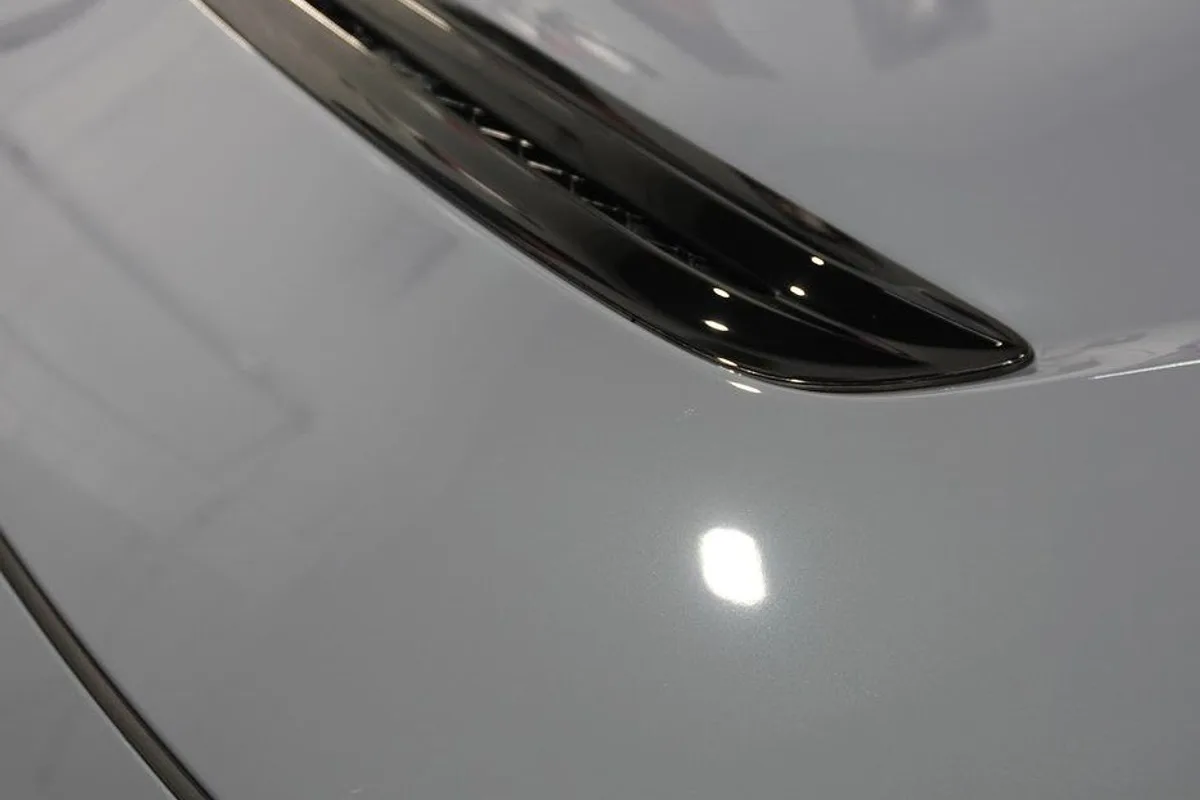
Edges are where poor installation quality may become visible through lifting, trapped debris or noticeable lines.
Broader coverage can involve additional panel edges and seams, making installer skill important. Careful fitting and finishing help minimize visible edges and reduce the likelihood of problems developing later.
It is one reason certified installation is worth considering, and why seeing finished work up close before you commit is a sensible habit.
Can You Add Coverage Later?
Many owners start with the highest-risk panels and consider more later. That can work, but it is worth asking before you begin how future additions would be handled and scheduled.
If you already suspect you will want the whole vehicle protected eventually, it can be easier to plan the coverage from the beginning.
If budget is the constraint, a staged approach that begins with the front can be a reasonable way to prioritize higher-risk areas first.
Check with Trent’s Total Auto Care about the available options for your particular vehicle before planning staged installation.
Where Ceramic Coating Fits In
Paint Protection Film and Ceramic Coating do different jobs.
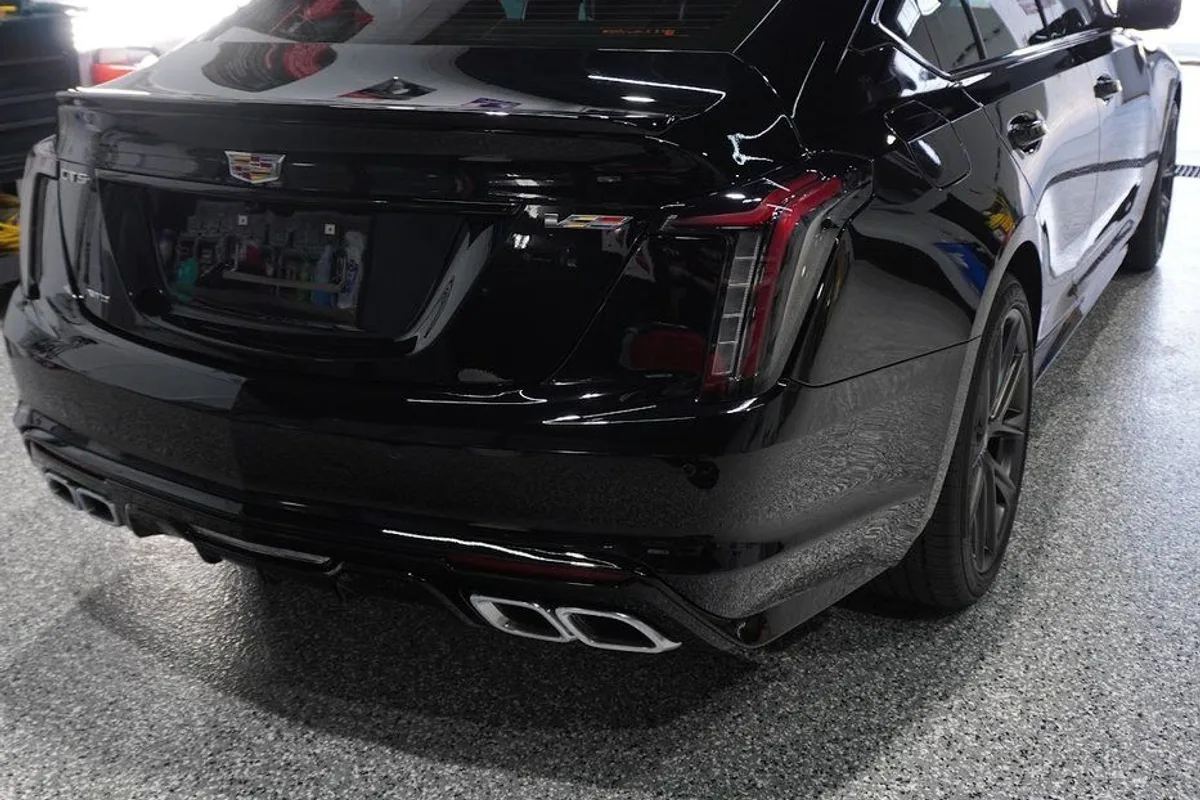
Film is a physical layer that helps absorb impacts on the panels it covers. Ceramic Coating is a surface-level protective treatment that makes paint easier to clean and adds defense against UV exposure, dirt, stains and water spots.
A coating does not stop stone chips, and film does not automatically provide every benefit of a ceramic coating.
If you are thinking about both, it helps to decide which problem you are trying to solve first.
The Ceramic Coating service page at Trent’s Total Auto Care explains the available Nxtzen options and how coating differs from impact protection.
Questions to Ask Before You Choose Coverage
Going into a consultation with specific questions makes the decision easier.
- Exactly which panels, and which parts of each panel, does this option cover?
- Where will the film edges sit, and can I see finished examples of similar work?
- Does the film include self-healing properties?
- How is the initial period after installation handled, and what care is recommended?
- If I want to add coverage later, how would that work?
A clear, specific answer to each question helps you understand what you are purchasing. Vague answers deserve follow-up.
What Film Will and Will Not Do
It is worth restating the limits, because they affect how much coverage you need.
Film helps protect against rock chips, road debris, minor scratches, bug splatter, bird droppings and everyday wear on the panels it covers.
It does not guarantee that a vehicle will never chip, scratch or stain, and it does not protect panels it does not cover. A severe impact or deep gouge can still damage the film and potentially the paint underneath it.
More coverage means more of the vehicle receives that protective layer, not that any panel becomes immune to damage.
The Bottom Line
There is no universally correct amount of PPF. Partial Front, Full Front, Track Pack and Full Car options suit different priorities.
The right choice comes down to how you drive, how long you will keep the vehicle, the vehicle’s condition and what you want to protect most.
Start with where your paint actually takes damage, ask specific questions, and choose coverage on purpose.
The Paint Protection Film service page at Trent’s Total Auto Care provides the current package options and information about getting started.
FAQs
What is the difference between Partial Front and Full Front PPF?
Partial Front covers selected high-impact areas of the front end, while Full Front extends protection across more complete front-end panels. At Trent’s Total Auto Care, check the listed package inclusions to confirm exactly which areas are covered.
Is full-vehicle PPF worth it?
Full-vehicle coverage makes sense for owners who plan to keep a vehicle long term and want broader protection. For others, targeted coverage can fit their priorities and budget better.
Which areas should I protect first?
Start where your paint actually takes damage. For many drivers, that includes the front bumper, hood, fenders and mirrors. If parking is tight, door edges may matter too.
Can I add more PPF later?
Often, yes, depending on the condition of the vehicle and the available installation options. Ask the installer how additions would be handled and scheduled.
Does PPF cover headlights?
Headlights come included in selected front-end packages depending on the shop. Trent’s Total Auto Care lists headlights in its Partial Front and Full Front offerings, but exact coverage should be confirmed for your vehicle.
Will PPF stop every chip?
No. It helps protect against chips on the panels it covers, but severe impacts can still cause damage. It does not guarantee a vehicle will never chip, scratch or stain.
Discuss PPF Coverage for Your Vehicle
To talk through coverage options for your vehicle, call Trent’s Total Auto Care in Marysville at (937) 553-4770 or request a quote. We can review the available options panel by panel and help you choose coverage that fits how you drive. For related local guidance, explore paint correction before film installation, auto detailing in Marysville, PPF packages for Dublin, OH drivers, paint protection film near Plain City, OH, comparing ceramic coating, wax, and paint sealants, winter road salt care in Central Ohio, and contact our Marysville team.