Ceramic coating helps with winter grime, but not in the way many people expect. It does not stop road salt from touching your paint, and it is not a rust barrier. What it does is make the film of salt, brine and road dirt easier to wash off, because contamination generally releases more readily from a coated surface. It also adds defense against UV exposure, stains and water spots, and it helps maintain the paint’s gloss through a long, grimy season. It does not protect against the gravel chips that winter driving can bring. That is a job for Paint Protection Film.
For vehicle owners in Marysville and across Central Ohio, that distinction is worth understanding before winter road treatments become common, because it changes what you should expect from a coating and how you should wash a coated car in winter.
What Winter Actually Does to Your Paint
Winter is hard on paint for reasons that have little to do with cold. The main issues are contamination and abrasion.
Road crews treat Ohio roads with salt and brine when conditions require it, and that mixture gets thrown onto the sides and lower panels of vehicles traveling on treated roads. It dries into a hazy white film that holds dirt against the paint. Left in place for long stretches, it can leave stains and dull the finish, and it works its way into door jambs, wheel wells and lower body seams.
Gravel and grit are the second problem. Traction material and debris get kicked up at speed, and the front of the vehicle takes the worst of it. Add the fact that many people wash less in cold weather, and paint can spend weeks coated in a layer of abrasive grime. When that layer is finally wiped off with a dirty mitt, fine swirl marks can result.
Short winter days also mean less light, so paint damage often goes unnoticed until the weather warms and the car is washed properly in the sun.
What a Ceramic Coating Changes
Trent’s Total Auto Care offers professional Nxtzen ceramic coatings. A coating is a liquid polymer that chemically bonds to exterior surfaces. Once cured, it creates a slick, water-shedding surface. That has several practical effects in winter.

Contamination releases more easily. Salt film, road grime and dried splash marks generally do not grip a coated surface as tightly. A good rinse can remove more of the loose material before you ever touch the paint, reducing the chance of dragging grit across it.
Washing is faster. Water beads and sheets away, helping carry loose dirt with it. Washing can become easier, which matters on a cold day when you would rather be inside.
The finish holds its look. Gloss and water beading are part of what a coating is for, and a properly maintained coated car can be easier to keep looking clean between washes.
Defense against UV exposure, stains and water spots continues. Winter sun is weaker, but UV exposure still occurs, and mineral-rich water can leave spots on paint in cold weather just as it does in warmer months.
What a Ceramic Coating Does Not Change
Honest expectations matter here, because this is where owners get disappointed.
A coating does not make paint immune to salt. Salt still lands on the vehicle; the coating changes how easily contamination may come off. A body coating also does not protect untreated undercarriage components, wheel wells, brake components or exposed metal, which are vulnerable to winter corrosion.
A coating does not stop rock chips. It is a surface-level protective treatment, not a physical impact barrier. A stone thrown up at highway speed can still chip coated paint.
A coating does not remove the need to wash. It makes washing easier, and it still has to be done. A coated vehicle that is left filthy for weeks will still collect stubborn contamination.
And a coating is not a replacement for careful technique. Dragging a dirty mitt across a coated panel can still cause swirl marks.
How to Wash a Coated Car in Winter
The aim is to remove salt and grime without grinding it into the paint, while staying safe in freezing temperatures.
Rinse first. Start by rinsing the whole vehicle, including the lower panels, wheel wells and underside where safely accessible, to lift off as much loose salt and grit as possible before any contact wash.
Use a pH-neutral car wash soap. Strong detergents and degreasers may not be suitable for routine coated-vehicle maintenance. Use products recommended for the specific coating.
Use a clean mitt and rinse it often. Two-bucket washing, with one bucket for soap and one for rinsing the mitt, helps keep grit away from the paint.
Dry the vehicle. Use clean microfiber towels or a suitable blower. Drying helps prevent water spots, and in winter it also reduces water remaining in areas where it could freeze.
Avoid washing in freezing conditions without a suitable environment. Water can freeze in door seals, locks and around trim. A heated wash bay or waiting for a milder day is generally safer. If you wash in cold weather, drying the door jambs and seals afterward helps prevent doors from freezing shut.
How Often Should You Wash in Salt Season?
There is no single correct number, because conditions vary. The practical guidance is to rinse salt and grime off when it builds up, rather than letting it sit for weeks.
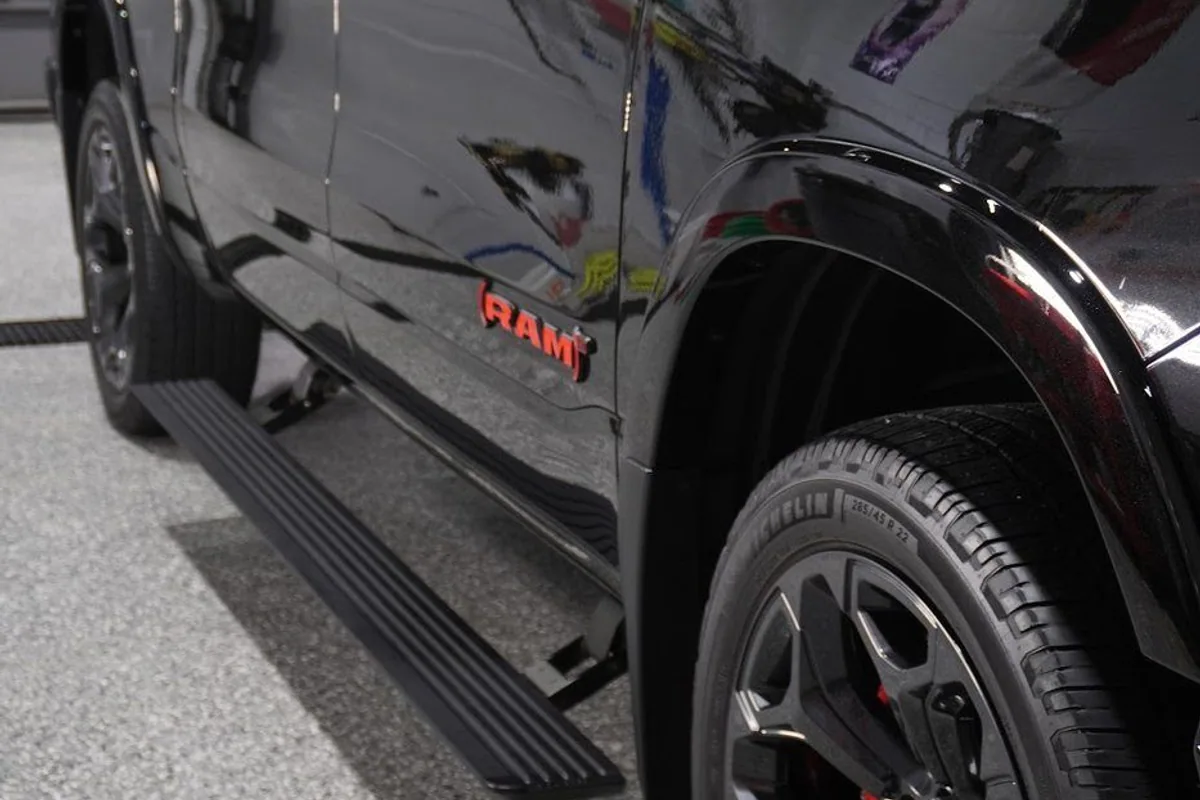
After a heavy salt event, such as a treated snowfall or a thaw that throws up wet brine, a rinse sooner rather than later is preferable when weather conditions allow it.
A coating makes this routine easier because contamination generally releases more readily. That is the real winter benefit. You are not skipping washes; you are making each one more manageable and potentially gentler on the paint.
What About Automatic Car Washes?
Many people turn to automatic washes in winter because they are convenient and heated. The concern for a coated vehicle is the same as for any careful owner: brush-style washes can leave fine marks, and touchless washes often rely on stronger chemicals to compensate for the lack of contact.
Neither is ideal for every coated finish. If you occasionally use an automatic wash, consider the equipment and chemical products involved. An undercarriage rinse during salt-heavy periods can also be useful.
Over the long run, careful hand washing or a suitable self-serve bay is generally gentler on the coating and the paint.
Timing a Coating Before Winter
If you are considering a coating ahead of winter, two practical points apply.
First, preparation matters. A coating bonds to the paint as it is, so existing swirl marks or oxidation will remain visible beneath it unless they are addressed first. Paint correction before coating is a separate decision, and it is worth discussing before you book.
Second, coatings need time to cure. Exposure to moisture, road salt or washing before a coating has sufficiently cured may affect its performance. Ask how long to keep the vehicle protected from moisture and how long to wait before the first wash. Your installer can give guidance specific to the coating applied to your vehicle.
Having a coating professionally applied before the most demanding winter conditions can help the painted surfaces enter the season clean and protected.
Who Benefits Most From a Coating in an Ohio Winter?
A coating tends to make the most difference for vehicles that spend much of their time outside, such as daily drivers parked in driveways, apartment lots and workplace parking areas. These cars take the full weight of the season, and the reduced washing effort can add up across months.
It is also a sensible choice for owners who split time between Marysville and the Columbus area, including commuters who pass through Dublin, and for anyone who finds winter washing a chore and wants it to be quicker.
It may matter less for a garage-kept weekend vehicle that sees little salt, though those owners may still value the gloss and the UV and stain defense.
When Paint Protection Film Makes More Sense
If your main worry is chips from gravel and road debris, a coating is not the right tool, and that is worth hearing plainly. Paint Protection Film is a physical layer designed to absorb impacts on high-exposure areas like the front bumper, hood, fenders and mirrors.
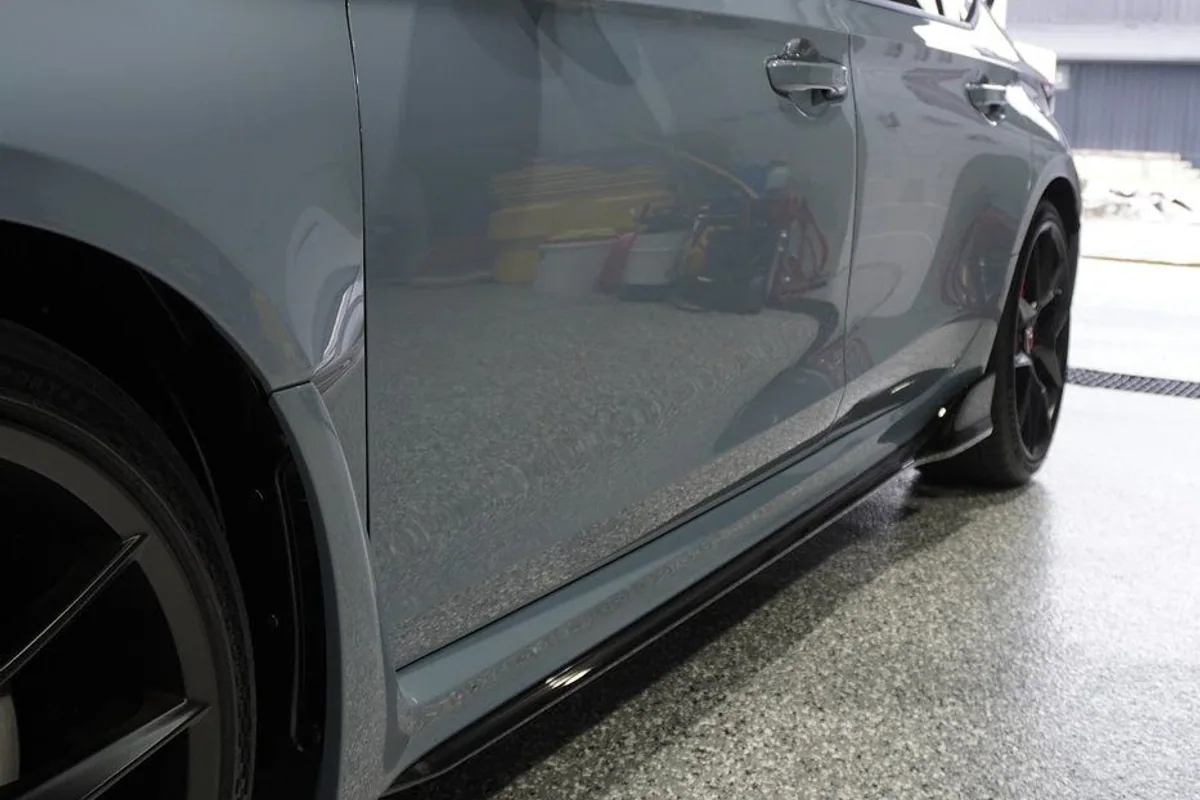
Many owners treat the two as complementary. A coating addresses surface-level environmental exposure, while film helps protect against physical impacts on the areas it covers.
The Paint Protection Film service at Trent’s Total Auto Care provides more information about the available protection options.
Do Not Forget What a Coating Does Not Cover
Because a coating makes the painted body easier to keep clean, it is easy to forget the parts of a vehicle it was never meant to protect.
Wheel wells, the underside, brake components, exhaust parts and the lower edges of doors collect substantial amounts of salt and are places where winter corrosion can begin. A rinse of safely accessible areas during salt-heavy periods is worth considering, whether the vehicle has a coating or not.
Door jambs and seals deserve attention too. They collect brine and dirt, and they are easy to overlook when you are focused on how shiny the hood looks. Wiping them down when you wash keeps grit from migrating onto clean paint and can help doors operate properly in cold weather.
A Practical Winter Checklist for Coated Vehicles
Central Ohio drivers keep coated paint cleaner through snow and salt season by following seven practical habits:
- Rinse salt and grime off regularly rather than letting it build up for weeks.
- Wash with a pH-neutral soap, a clean mitt and clean towels.
- Avoid washing in freezing conditions without a suitable heated environment.
- Dry door seals and jambs carefully after cold-weather washing.
- Rinse accessible undercarriage and wheel-well areas, which a body coating does not protect.
- Address paint chips promptly when they occur.
- Do not expect the coating to replace regular washing.
The Bottom Line
Ceramic coating will not make winter harmless for your paint, and no honest installer sells it on that promise. What it does is make demanding conditions easier to manage: salt and grime generally release more readily, washes can take less effort, and the finish can retain its gloss with suitable maintenance.
For vehicles that live outside through a Central Ohio winter, that is a practical, everyday benefit.
The Ceramic Coating service page at Trent’s Total Auto Care explains how the available Nxtzen coatings work and what they are designed to do.
FAQs
Does ceramic coating stop road salt damage?
No. It helps salt film release more easily during washing, but salt still reaches the vehicle. A body coating does not protect untreated undercarriage components or exposed metal.
Can a ceramic coating be applied in winter?
Yes, when the application environment meets the coating manufacturer’s requirements. Curing conditions matter, so ask your installer about moisture exposure and first-wash timing.
How often should I wash a coated car during salt season?
Rinse salt and grime off when it builds up rather than letting it sit for weeks, especially after salt-heavy snowfalls. No single schedule fits every vehicle.
Is it safe to wash my car in freezing weather?
Water can freeze in door seals and around trim. A heated wash bay or a milder day is generally safer, and drying seals and jambs helps reduce freezing problems.
Do touchless car washes damage ceramic coatings?
Not necessarily, but they often rely on stronger chemicals. Occasional use may be acceptable depending on the products and coating, though careful hand washing is generally gentler.
Do I need Paint Protection Film as well?
If gravel chips are your main concern, film is designed for that purpose. A coating provides different surface-level benefits. Some owners choose both.
Prepare Your Vehicle for Central Ohio Winter
If you are thinking about a coating before winter, call Trent’s Total Auto Care in Marysville at (937) 553-4770 or request a quote. We can discuss your vehicle, preparation and cure-time requirements, along with what a coating can and cannot do. Still comparing protection categories? Read ceramic coating vs. wax vs. paint sealant and our Plain City ceramic coating page.