Caring for Paint Protection Film is simpler than most owners expect. Wash it by hand with a pH-neutral soap and a clean mitt, dry it with soft microfiber, keep high-pressure water and harsh chemicals away from the edges, remove bird droppings and bug splatter promptly, and follow your installer’s guidance for the first period after installation.
Film is built to take everyday road use, but it still rewards sensible care, and a few avoidable habits are common reasons it ends up looking worse than it should.
For owners of vehicles protected with Johnson Paint Protection Film, understanding the first days after installation, regular washing, winter driving in Central Ohio and signs of potential problems can help preserve its appearance. Specific instructions can vary by film and installation, so where general advice and your installer’s instructions differ, follow your installer.
The First Days After Installation
The first period after installation matters more than many owners realize. Film needs time to settle and bond after it is applied, and small details such as slight haziness or tiny moisture pockets near the edges may resolve during that period.
Because the right timing depends on the film and the installation, the useful step is simply to ask.
Before you leave, find out how long to wait before washing, what to avoid in the meantime, and what a normal settling period looks like.
Do not rely on a number you read somewhere else, because an exact timeframe does not apply to every film and every vehicle.
In the meantime, avoid picking at edges, pressing on film that looks slightly uneven, or testing it with fingernails. If something looks wrong after the period specified by your installer, raise it with them rather than trying to fix it yourself.
Washing Paint Protection Film
Regular washing is the biggest part of ongoing care, and the principles are the same ones that protect any finish.
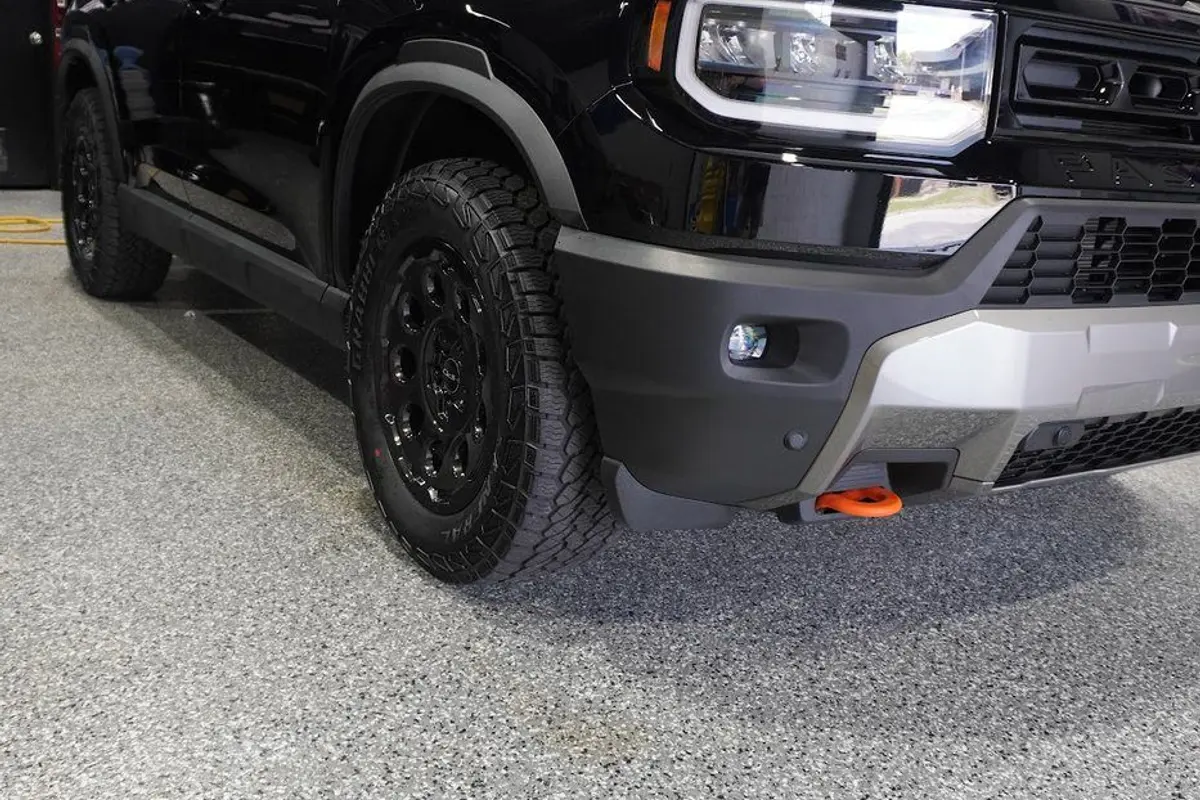
Hand wash when you can. A hand wash with a clean mitt gives you more control and keeps contact gentle.
Use pH-neutral soap. Choose products suitable for your film and avoid aggressive cleaners unless the manufacturer specifically approves them.
Rinse before you touch. Rinsing off loose grit before a contact wash reduces the chance of dragging it across the surface.
Use clean, soft tools. Fresh microfiber mitts and towels, rinsed often, are generally preferable to old sponges or stiff brushes.
Dry the vehicle. Drying helps prevent water spots and keeps mineral deposits from remaining on the film.
Pressure Washers
Pressure washers are convenient, but they deserve respect around film.
Water aimed directly at an edge from too close can work its way underneath and encourage lifting.
If you use a pressure washer, follow the film manufacturer’s and installer’s guidance, maintain a suitable distance, avoid aiming directly at edges and seams, and use appropriate pressure settings.
Exact guidance varies, so it is worth asking your installer what they recommend for your film.
Automatic Car Washes
Brush-style automatic washes can leave fine marks on a vehicle’s finish and risk catching exposed film edges.
Touchless washes avoid physical brushes but can rely on stronger chemicals.
Neither is ideal for every protected vehicle. Occasional use may be acceptable, but regular careful hand washing is generally gentler on the film, its edges and the surrounding paint.
Substances to Deal With Quickly
Film helps protect against bug splatter and bird droppings, yet leaving acidic residue on the surface still causes staining.
Anything acidic or sticky that sits in the sun for long periods can become harder to remove and may leave marks even on a protected surface.
Remove bird droppings and bug splatter promptly, using plenty of water and a soft cloth. Let moisture soften the residue rather than scrubbing it dry.
Tar, tree sap and similar contaminants may require products specifically approved for use on the film.
If you are unsure whether a cleaner is safe, check with your installer before using it. Strong solvents and abrasive products are not appropriate for every film.
Products and Treatments
A common question is whether you can wax, seal or ceramic coat a vehicle that has film on it.
The answer depends on the film and the product, and this is a question for your installer rather than a universal rule.
Abrasive polishes and harsh chemicals can be unsuitable for film, and maintenance products should be designed for the relevant film or confirmed safe by the manufacturer.
Special-finish films may have their own care requirements.
If you have questions about adding a coating or sealant to film or the surrounding painted areas, ask before applying anything.
Winter Care for Film in Central Ohio
Film is designed for outdoor vehicle use, but winter conditions still call for appropriate maintenance.
Rinse salt off regularly. Road salt and brine are major winter contaminants. Rinsing during salt-heavy periods helps prevent buildup on the film and surrounding paint.
Be careful with ice and snow. Ice scrapers and stiff brushes can scratch film and catch edges. Where possible, use suitable soft tools and allow defrosting to loosen ice instead of forcing it off the film.
Avoid washing in freezing conditions without suitable facilities. Water can freeze in door seals and around trim. Use a heated bay or wait for milder conditions, and dry door jambs and seals afterward.
Expect slower self-healing in the cold. If your film has heat-activated self-healing properties, light marks may take longer to fade when temperatures are low.
Not every film behaves identically, so check your installer’s guidance for the specific Johnson film installed on your vehicle.
A Simple Routine You Can Actually Keep Up
Care routines only work if they are realistic. For most owners, a sensible rhythm looks like this:
- Rinse the vehicle thoroughly to lift off loose grit and salt.
- Wash by hand with pH-neutral soap and a clean mitt, working from the top down.
- Rinse again, then dry with clean microfiber, paying attention to the edges.
- Look over the film edges while the surface is clean and the light is good.
- Deal with bird droppings or bug splatter as soon as you notice them between washes.
That is the whole routine. It does not need to be complicated, but consistent gentle cleaning is preferable to letting contamination build up and then trying to remove it aggressively.
The Spring Wash After Winter
The first thorough wash after a Central Ohio winter is a good moment to take stock. Salt and grime may have built up in places that a quick rinse missed, including along film edges, around door cups and on lower panels.
Take your time on that wash.
Rinse generously before touching the surface, work gently around edges, and use the opportunity to look closely at the film.
Any lifting, cuts or dirt lines that developed over winter are worth addressing.
If something looks unusual, show your installer rather than trying to repair it yourself.
Checking Your Film Regularly
A quick look every few washes can help catch small problems before they grow.
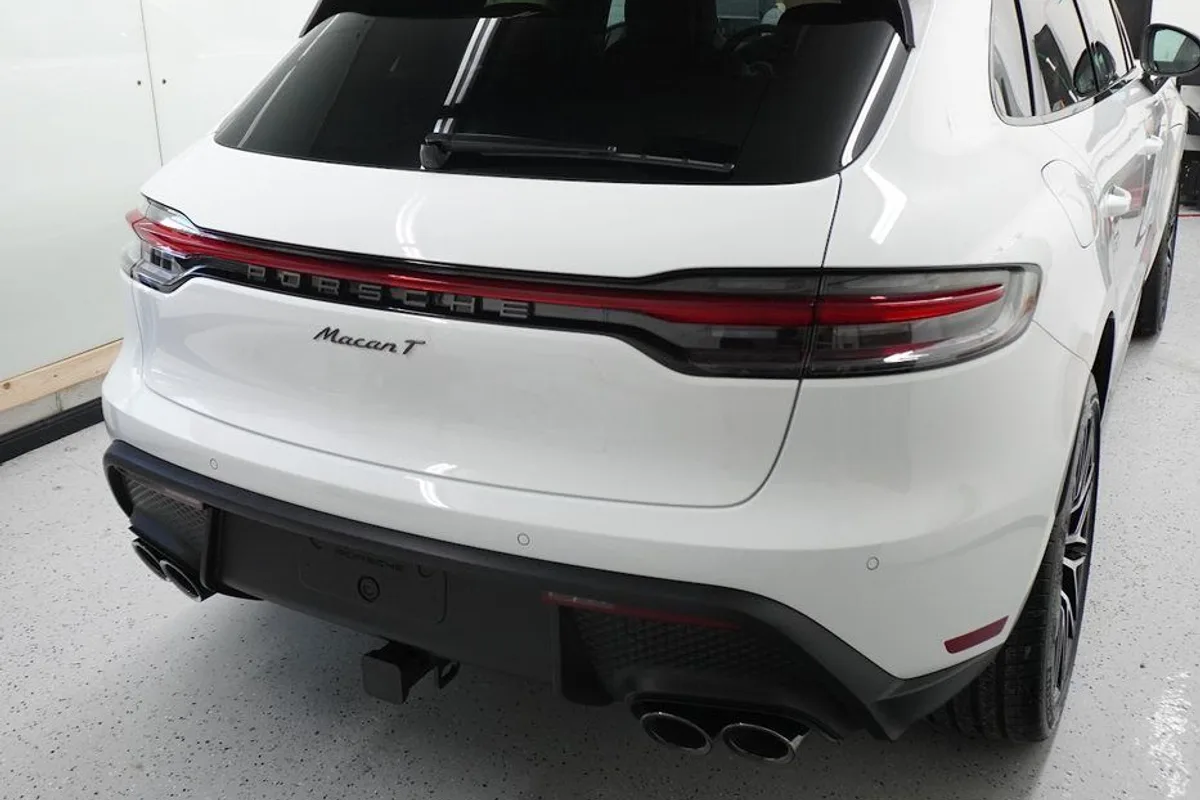
When you dry the vehicle, inspect the film edges and the panels it covers.
Things worth noticing include an edge that has lifted or curled slightly, a dark line of dirt collecting along an edge, bubbles or pockets that were not there before, discoloration in one area, and chips or cuts in the film itself.
Not everything you notice is a defect.
Light surface marks, especially on self-healing film, may fade with warmth. But a lifting edge or a growing bubble is worth reporting early.
Do not pick at the film or try to press it down with tools, because that can make a small problem worse.
What Normal Wear Looks Like
Film is a sacrificial layer designed to absorb everyday road wear before impacts reach the underlying paint.
Over time, small marks may appear, particularly in high-exposure areas such as the front bumper and hood.
That does not automatically mean something is wrong. Minor surface marks may respond to the film’s self-healing properties where supported.
However, visible damage to the film does not guarantee that the paint underneath is unharmed.
A deep cut or significantly damaged section is worth showing to your installer, who can assess the condition and recommend the next step.
How Film Care Differs From Ceramic Coating Care
If you are familiar with caring for ceramic-coated vehicles, much of this will feel familiar: gentle washing, soft tools, pH-neutral soap and prompt removal of contaminants.
The differences are mainly around physical edges and impacts.
A coating is a surface treatment without film seams or edges to catch.
Paint Protection Film has panel edges, and that is where careful pressure washing, gentle drying and regular inspection matter most.
Film also takes physical wear in a way ceramic coating is not designed to, which is part of its purpose.
For vehicles with both services, follow the maintenance instructions provided for the specific film and coating products.
Habits That Quietly Shorten the Life of Film
A handful of habits can cause avoidable wear over time.
Regularly using brush-style automatic washes, aiming pressure washers directly at edges, scrubbing dried contamination instead of softening it, scraping ice off film, using abrasive polishes or aggressive solvents, and ignoring a lifting edge until dirt has accumulated underneath can all work against the installation.
None of these habits necessarily causes immediate damage every time, which is why they are easy to repeat.
Avoiding them and following the correct maintenance guidance helps preserve the film’s condition and appearance.
Questions to Ask Your Installer
Because care instructions depend on the film and installation, a short list of questions can make a difference.
- How long should I wait before the first wash?
- Is there anything I should avoid in the first weeks?
- Can I use a pressure washer, and what distance should I maintain from edges?
- Which cleaners and maintenance products are approved for my film?
- What should I do if I notice an edge lifting?
- Does my film have self-healing properties?
Ask these questions when the film is installed, and keep the answers available for future reference.
The Bottom Line
Paint Protection Film does not ask much of its owner.
Wash it gently, keep unsuitable pressure and harsh chemicals away from edges, deal with contamination promptly, be careful with ice and snow, and inspect it regularly.
Film still has limits, and it does not guarantee a vehicle will never chip or scratch, but sensible care helps it perform as intended.
The Paint Protection Film service page at Trent’s Total Auto Care explains the Johnson PPF options available for vehicle owners in Marysville and surrounding Central Ohio communities.
FAQs
How soon can I wash my car after PPF installation?
It depends on the film and installation conditions. Ask your installer for guidance specific to your vehicle rather than relying on a universal timeframe.
Can I use a pressure washer on Paint Protection Film?
Yes, when permitted by the film manufacturer and used correctly. Maintain the recommended pressure and distance, avoid directing the spray at edges or seams, and follow your installer’s instructions.
Are automatic car washes safe for PPF?
Occasional touchless wash use is sometimes acceptable depending on the equipment and chemicals. Brush washes can leave marks or catch edges, so careful hand washing is generally preferable.
Can I wax or ceramic coat over PPF?
It depends on the film and the product. Some films support compatible surface treatments, but always confirm with your installer before applying anything.
What should I do if an edge starts lifting?
Do not pick at it or attempt a repair with household adhesives. Take a photo and contact your installer promptly for an assessment.
Does winter weather harm Paint Protection Film?
Film designed for outdoor use can withstand normal seasonal exposure, but proper care remains important. Rinse road salt off regularly, avoid scraping ice directly against the film and follow the correct maintenance instructions.
Get PPF Care Advice From Trent’s Total Auto Care
If you have questions about caring for Paint Protection Film, or you are considering film for your vehicle, call Trent’s Total Auto Care in Marysville at (937) 553-4770 or request a quote. The team can discuss the care routine appropriate for your film and installation. For related local guidance, explore Nxtzen ceramic coating services, professional paint correction, exterior and interior auto detailing, window tinting in Marysville, PPF care for Dublin, OH commuters, how ceramic coatings compare with wax and sealants, how Central Ohio road salt affects protected paint, and reach out to our Marysville shop.