Paint protection film (PPF) protects painted surfaces from physical damage — primarily rock chips, road debris impacts, and light scratching — in the specific areas where it’s installed. It does not protect the entire vehicle unless the entire vehicle is wrapped, and it’s not a substitute for chemical or UV protection the way ceramic coating is. Understanding exactly what PPF covers, and where, makes it much easier to decide how much coverage actually makes sense for your vehicle.
What PPF Is Designed to Do
PPF is a thick, clear, urethane-based film applied directly to painted surfaces. Its job is physical: absorbing impact from things like gravel kicked up on the highway, small stones, road debris, and minor scuffs before they reach the clear coat and paint underneath. Higher-quality films installed at Trent’s Total Auto Care are also designed to be self-healing for light scratches and swirl marks — meaning minor marks can shrink or disappear with heat exposure, such as sitting in the sun or a light heat treatment.
This is a fundamentally different type of protection than ceramic coating provides. Ceramic coating is a chemical-resistant, hydrophobic layer that protects against environmental and chemical exposure. PPF is a physical barrier against impact and abrasion. They solve different problems, which is why many vehicle owners end up using both — more on that in our guide on Ceramic Coating vs. Paint Protection Film.
The High-Impact Areas Where PPF Matters Most
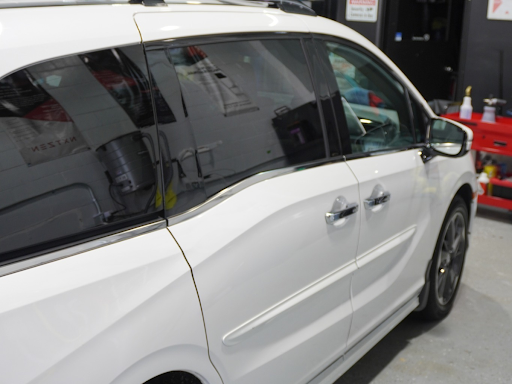
Not every part of a vehicle takes the same amount of abuse. PPF is most commonly applied to the areas that see the highest exposure to road debris and physical contact:
- Front bumper — the single most exposed panel on the vehicle, catching the majority of highway debris.
- Hood — especially the leading edge, which takes direct hits from gravel and road spray.
- Front fenders — particularly the areas just behind the front wheels.
- Mirrors — exposed on both sides and frequently struck by debris at speed.
- Headlights — pitting and chipping on headlight lenses is common without protection.
- Door edges — vulnerable to scuffs and dings from everyday parking lot contact.
- Rocker panels — lower body sections that catch road spray and debris kicked up by the vehicle’s own tires.
This is why partial front packages typically focus on the hood, bumper, mirrors, and fenders — the areas statistically most likely to sustain damage — while full front or full-vehicle coverage extends protection further for owners who want more comprehensive coverage.
At Trent’s Total Auto Care, we offer customized coverage options using industry-leading materials like Johnson Paint Protection Films to ensure your vehicle gets the exact level of protection it needs.
What PPF Does Not Protect Against
It’s just as important to be clear about PPF’s limits. PPF is not designed to prevent:
- Deep scratches from keying or intentional vandalism, which can still cut through the film in severe cases.
- Dents from impacts, since PPF is a surface film, not a structural barrier.
- UV fading on unprotected panels — some films offer partial UV resistance, but PPF is not primarily a UV protection product.
- General chemical staining from bird droppings, tree sap, or harsh washing chemicals, which is more the domain of ceramic coating.
Vehicle owners sometimes assume PPF is a comprehensive “everything shield.” Setting that expectation correctly upfront avoids disappointment later — PPF does one job extremely well: protecting the areas it’s applied to from physical impact and abrasion.
Choosing How Much Coverage Makes Sense
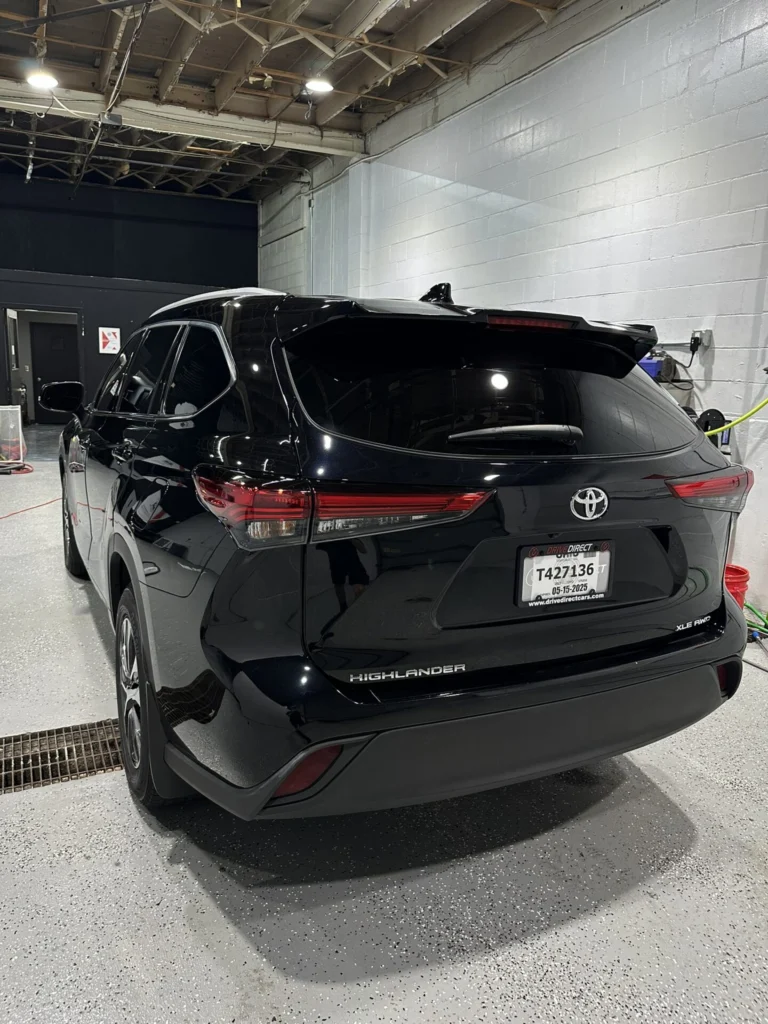
The right amount of PPF coverage depends on how and where you drive. A vehicle that spends most of its time on Marysville and Central Ohio highways or rural routes with loose gravel will see more benefit from broader coverage than a vehicle that’s mostly driven around town at lower speeds.
New vehicle owners protecting a fresh factory finish, and drivers who plan to keep a vehicle long-term, also tend to lean toward more complete coverage since the cost of correcting rock chip damage down the road outweighs the upfront investment in protection.
If you’re still deciding whether PPF is worth it for your specific driving situation, our article on Is Paint Protection Film Worth It for a Daily Driver? walks through that decision in more detail, and our guide on using PPF to Protect Car Finish covers the broader case for protecting your investment.
Installation Matters as Much as Coverage
Even within the correct coverage area, how the film is installed affects how well it performs. Properly trimmed, wrapped edges (rather than film cut short of a panel’s natural edge) reduce the chance of debris getting underneath the film and causing lifting. This is one of the areas where professional installation experience at Trent’s Total Auto Care makes a meaningful difference in how the film performs and looks over time.
Frequently Asked Questions
Does PPF cover the entire car, or just certain parts?
It depends on the package. Coverage can range from partial front (hood, bumper, mirrors, fenders) to full front to full-vehicle wraps, depending on how much protection you want.
Will PPF protect against a rock cracking my windshield?
No — windshields typically require a separate protective film product, and standard PPF packages are applied to painted body panels, not glass, unless specifically included.
Can PPF prevent all scratches?
No. Self-healing films can minimize the appearance of light scratches and swirl marks, but deep scratches from keying or sharp impacts can still damage the film and, in severe cases, the paint underneath.
Does PPF yellow or discolor over time?
Lower-quality films can yellow with UV exposure over time; high-quality films (such as Johnson Paint Protection Films used at Trent’s Total Auto Care) are formulated to resist yellowing and carry manufacturer warranty protection.
Do I still need ceramic coating if I get PPF on part of my car?
Many owners combine both — PPF on high-impact areas for physical protection, and ceramic coating (sometimes including over the PPF itself) for the rest of the vehicle’s chemical resistance and easier maintenance.