It can genuinely be worth the real investment, particularly when road debris and rock-chip exposure are meaningful concerns for how a vehicle is actually driven, but the right protection strategy depends heavily on how the vehicle is used day to day. Not every vehicle needs full-body PPF from day one — a practical coverage strategy matches protection to the areas that genuinely face the most exposure, rather than automatically defaulting to the most comprehensive option available regardless of cost or actual driving habits.
What PPF Is Designed to Do
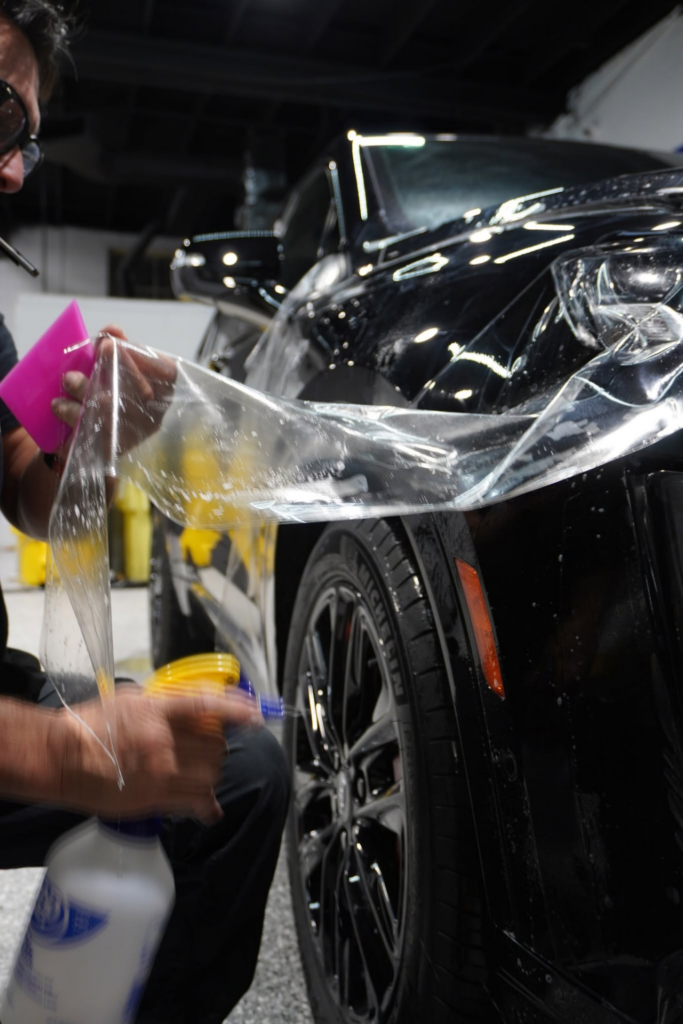
Paint protection film is designed to help protect paint from road debris, providing a sacrificial physical film layer that can help reduce damage from common road hazards on the specific panels it actually covers. It’s a mechanical barrier, positioned between the paint and the road below, rather than a surface-chemistry treatment like coating.
What PPF Does Not Do
PPF doesn’t make paint entirely damage-proof or guarantee protection against every possible hazard out on the road, and it genuinely doesn’t eliminate the ongoing need for vehicle care afterward at all. It’s a real, meaningful reduction in risk on the panels it covers, not an absolute guarantee against all forms of damage regardless of severity. Coverage strategy should match your specific vehicle use and personal priorities rather than assuming maximum coverage is automatically the right call for every single situation and budget.
Why the Front End Comes First for Most Owners
The front bumper, hood, and headlights take the single most direct hit from road debris during normal highway driving — small rocks, sand, and general debris kicked up by vehicles ahead land on these front-facing surfaces far more than anywhere else on the vehicle, simply due to basic physics and how vehicles are positioned relative to each other in traffic. This is exactly why front-end coverage is such a common industry starting point: it addresses the highest-exposure, highest-value area for an owner who wants meaningful protection without necessarily committing to full-vehicle coverage right away. For many daily drivers, this single coverage level genuinely addresses the majority of their actual real-world concern about rock chips and road debris damage.
PPF Decision Factors for Daily-Driven Vehicles
| Ownership Scenario | PPF Consideration | Why |
|---|---|---|
| Frequent highway commuter | Front-end coverage is a strong starting point | Highway driving means regular exposure to road debris and rock chips |
| New daily driver | Worth considering early | Protects the original finish before wear accumulates |
| Garage-kept weekend vehicle | Lower priority, though still reasonable | Less regular exposure than a daily-driven vehicle |
| Older vehicle with existing paint damage | Evaluation needed first | Film preserves existing condition rather than improving it |
| Owner primarily worried about rock chips | Directly addresses this priority | PPF’s core purpose is physical impact protection |
| Owner primarily focused on easier washing | Ceramic coating may be the more direct fit | PPF isn’t primarily built for surface-behavior benefits |
| Long-term owner | Broader coverage may be worth the investment | More time for the protection to pay off across years of ownership |
When PPF May Be More Than an Owner Actually Needs
An owner who drives infrequently, keeps a vehicle garaged, and isn’t especially concerned about rock chips may genuinely find that front-end coverage — or no PPF at all — reasonably fits their situation better than full-vehicle coverage would. This isn’t a lesser choice by any means; it’s genuinely matching protection to actual, honest risk and priorities rather than assuming more coverage is always inherently better regardless of cost or how the vehicle is actually used and driven day to day.
It’s genuinely worth being honest with yourself about your own actual driving patterns before deciding on a specific coverage level for your vehicle. A vehicle that spends most of its time parked in a garage, driven only occasionally on familiar local roads, faces a genuinely different risk profile than one commuting daily on a highway with regular, recurring exposure to gravel trucks, construction zones, and general road debris kicked up constantly by other vehicles traveling ahead.
Can PPF Be Damaged?
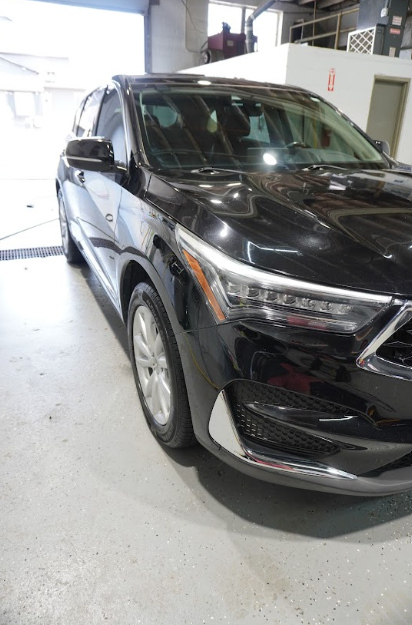
Yes, genuinely. The film itself can be marked by contact, and while some PPF products include properties designed to reduce the visibility of minor surface marring over time, more significant damage may still require professional attention or panel-specific repair.
Does PPF Eliminate Detailing?
No, genuinely not. Routine auto detailing remains part of ownership regardless of whether PPF is installed on the vehicle — the film protects against physical impacts specifically, not against the dust, pollen, and grime that accumulate on any vehicle through completely normal, everyday use. Some owners genuinely mistakenly assume that a significant investment in PPF means they can scale back on regular care entirely, when in reality the film simply changes what kind of damage the vehicle is protected against, not the ongoing maintenance it still genuinely requires throughout ownership.
Can Ceramic Coating Be Used With PPF?
Yes, genuinely and quite commonly. Many owners apply ceramic coating over installed film and across the rest of the vehicle, combining PPF’s real physical protection with coating’s easier-maintenance and gloss benefits in a single, comprehensive protective approach. This is covered in considerably more depth in how PPF and ceramic coating actually compare, including the full decision framework for whether combining both services genuinely makes sense for your specific situation and budget.
Paint Preparation and PPF
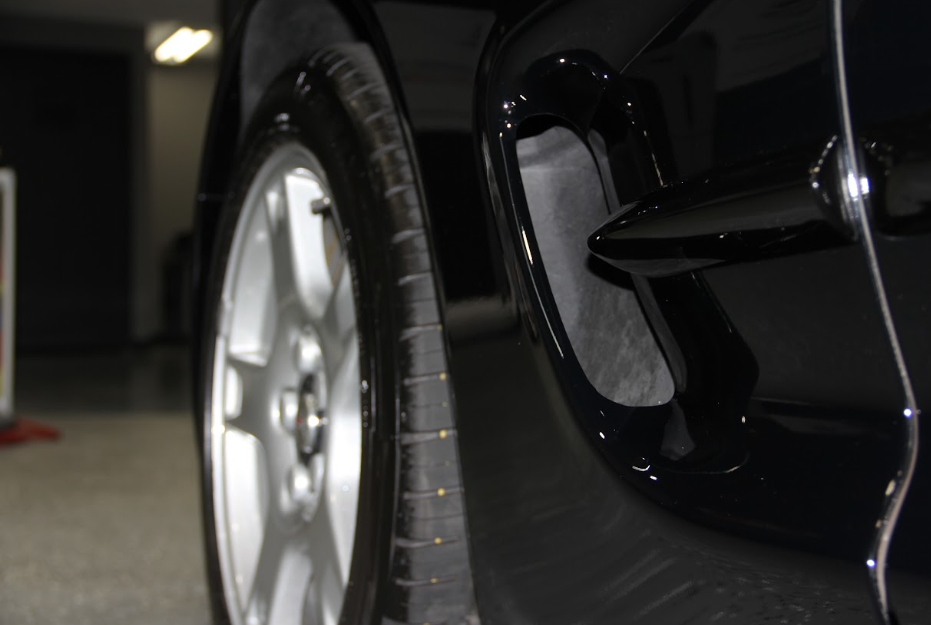
Existing paint condition affects PPF the same way it genuinely affects ceramic coating — the film preserves whatever condition exists underneath rather than improving it in any meaningful way. A vehicle with visible defects may genuinely benefit from paint correction first, since installing film over unaddressed swirl marks or scratches locks that existing appearance in permanently underneath the film once it’s applied.
Is PPF or Ceramic Coating Better for Highway Driving?
For highway driving specifically, PPF is generally the more directly relevant service to consider first and foremost, since rock chips and road debris exposure are the primary concern that highway commuting genuinely introduces on a regular, ongoing basis. Ceramic coating can still be a genuinely reasonable addition afterward for gloss and easier ongoing maintenance, but it doesn’t address the physical impact risk that highway driving specifically raises for the front-facing panels most exposed to that kind of debris and damage.
PPF Maintenance Considerations
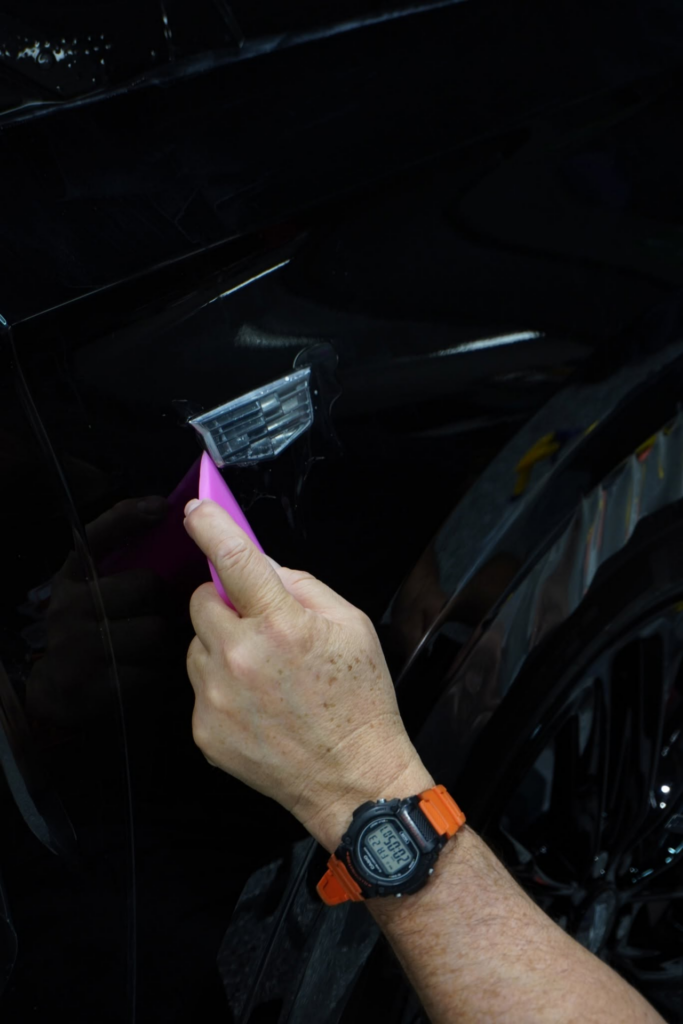
Properly installed film requires genuine attention to washing technique similar to bare paint, with particular care around film edges to avoid lifting over time, especially during the first several weeks after installation while the adhesive bond is still fully curing and setting. Prompt attention to contamination like bug residue, tar, and bird droppings — genuinely acidic substances that can affect a film’s surface if left sitting too long without attention — matters just as much on a PPF-covered vehicle as it genuinely does on completely unprotected paint.
Questions to Ask Before Installation
Before committing to a specific coverage level, it’s genuinely reasonable to ask which exact panels are actually included in a given package, what maintenance is expected afterward during the first few weeks especially, whether the specific film includes any self-healing or added durability properties and what that actually means in practice, and whether combining PPF with ceramic coating is something the installer offers and directly recommends for your specific vehicle. Clear, specific answers to these questions genuinely help match the investment to your actual needs rather than accepting a generic, one-size-fits-all recommendation.
If you’re specifically weighing how PPF and ceramic coating actually compare in more general terms, that decision framework is covered separately in this same content series, as is whether ceramic coating is worth it for a daily driver in Columbus if PPF alone doesn’t genuinely address every concern you personally have about your vehicle. For broader detailing context relevant regardless of which protective services you choose, see the Auto Detailing guide and the Columbus Auto Detailing guide, and for foundational coating education, see the Ceramic Coating guide.
FAQs
Is paint protection film worth it? It can be, particularly for owners genuinely concerned about rock chips and road debris. The right coverage level depends on how the vehicle is actually driven and the owner’s priorities.
What areas of a vehicle benefit most from PPF? The front bumper, hood, and headlights typically see the most direct exposure to road debris during normal driving, making them a common starting point for coverage.
Is full-body PPF necessary? Not for every owner. Front-end coverage addresses the highest-exposure areas for many daily drivers; full coverage makes more sense for owners planning long-term ownership or wanting comprehensive protection from day one.
Should a new vehicle get PPF? It’s worth considering early, since PPF protects the vehicle’s original finish before road debris and general wear have a chance to accumulate.
Can PPF be damaged? Yes. The film itself can be marked by contact, and more significant damage may require professional attention or panel-specific repair.
Does PPF still need detailing? Yes. PPF protects against physical impacts, not against dust, pollen, and grime — routine detailing remains part of ownership regardless of whether film is installed.
Is PPF or ceramic coating better for highway driving? PPF is generally more directly relevant for highway driving specifically, since rock chips and road debris are the primary concern that kind of driving introduces.