Once you’ve decided Paint Protection Film makes sense for your vehicle, the next natural question is usually: what actually happens once I drop the car off? It’s a fair thing to want to know before committing, so here’s a straightforward look at what a professional PPF installation generally involves.
It Starts With an Assessment, Not Just an Application
Before any film goes on, an installer needs to look at the actual vehicle, not just the coverage area you’ve requested in general terms, but the specific panels, their current condition, and any existing chips, swirl marks, or contamination that should be addressed first. This step matters because film applied over an imperfect surface can leave those imperfections visible underneath it.
This is also typically when coverage gets finalized in more detail, confirming exactly which panels or areas, such as the bumper, hood, fenders, mirrors, door edges, or rocker panels, are included based on what was discussed.
Surface Preparation
Before film is applied, the surface needs to be properly cleaned and decontaminated. Any dirt, wax residue, or contamination left on the paint can interfere with how well the film adheres, so this step shouldn’t be rushed. It’s foundational to how the finished installation performs and looks.
Cutting and Fitting the Film
Johnson Paint Protection Films must be carefully sized and fitted to the specific panels being protected. Installers may use pre-cut patterns, computer-assisted cutting, or other appropriate fitting methods depending on the vehicle and installation requirements.
Getting the fit right around curves, edges, and body lines takes technique and attention to detail. Accurate fitting helps the finished film follow the vehicle’s contours while minimizing unnecessary seams and visible edges.
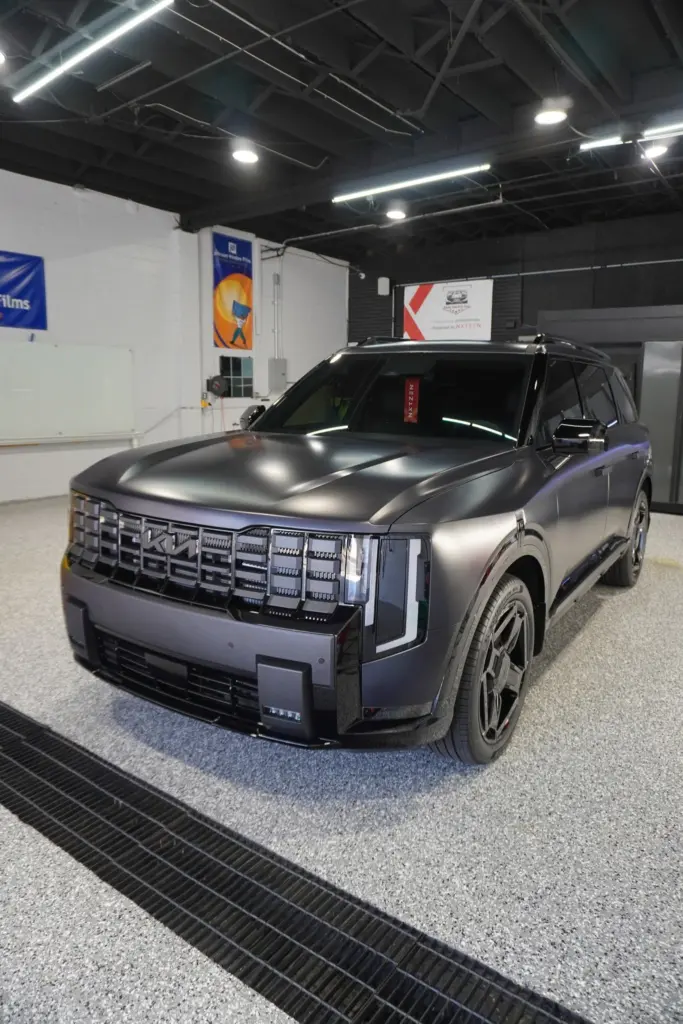
Application and Edge Work
Once the film is positioned, it’s applied using techniques that help the material conform to the panel while minimizing trapped air, moisture, and visible imperfections.
Edges get particular attention. Depending on the panel design and coverage, some edges may be wrapped while others require precise trimming and finishing. Properly finished edges help reduce the risk of lifting and contamination over time, which can be an issue with poorly executed installations.
Curing Time
After application, PPF needs time to properly set and adhere. This isn’t something that’s necessarily fully finished the moment the installer steps away. Film and adhesive may continue settling after installation, and care recommendations during that period matter for the long-term result.
The appropriate curing and aftercare instructions depend on the specific product and installation conditions, so it’s important to follow your installer’s guidance.
What a Good Installation Should Look Like When It’s Done
When PPF is installed well, it should be difficult to notice at a casual glance. That’s part of the point of a nearly invisible film.
Edges should look clean and properly finished, without obvious lifting or trapped debris. Some minor installation-related moisture or haze may still be present initially, depending on the film and application process.
If you have questions about anything that looks unusual after installation, it’s worth raising them directly rather than assuming every issue will resolve on its own.
Why Certified Installation Actually Matters
It’s worth spending a moment on why certified installation matters. Working with Paint Protection Film requires familiarity with how the material behaves, including how it stretches, responds to heat, and conforms to curved surfaces.
Those techniques require training and practical experience. A rushed or poorly executed installation may develop problems such as edge lifting, trapped debris, or visible seams, even if those issues aren’t immediately obvious.
Trent’s Total Auto Care uses Johnson Paint Protection Films and certified installers, making professional application an important part of its Paint Protection Film service.
Setting Realistic Expectations
It’s worth being clear about what PPF installation does and doesn’t guarantee.
The film is designed to help protect covered areas against rock chips, road debris, minor scratches, bug splatter, bird droppings, and general everyday wear.
Some films also include self-healing properties, where heat can help light surface scratches and swirl marks fade over time. However, that doesn’t mean every scratch or mark will disappear, and PPF cannot prevent every type of damage.
A proper installation helps the film perform as intended, but it doesn’t make the vehicle indestructible.
If you’re still considering the protective benefits before booking, understanding what Paint Protection Film is and how it protects your car’s paint can help clarify what the material is designed to do.
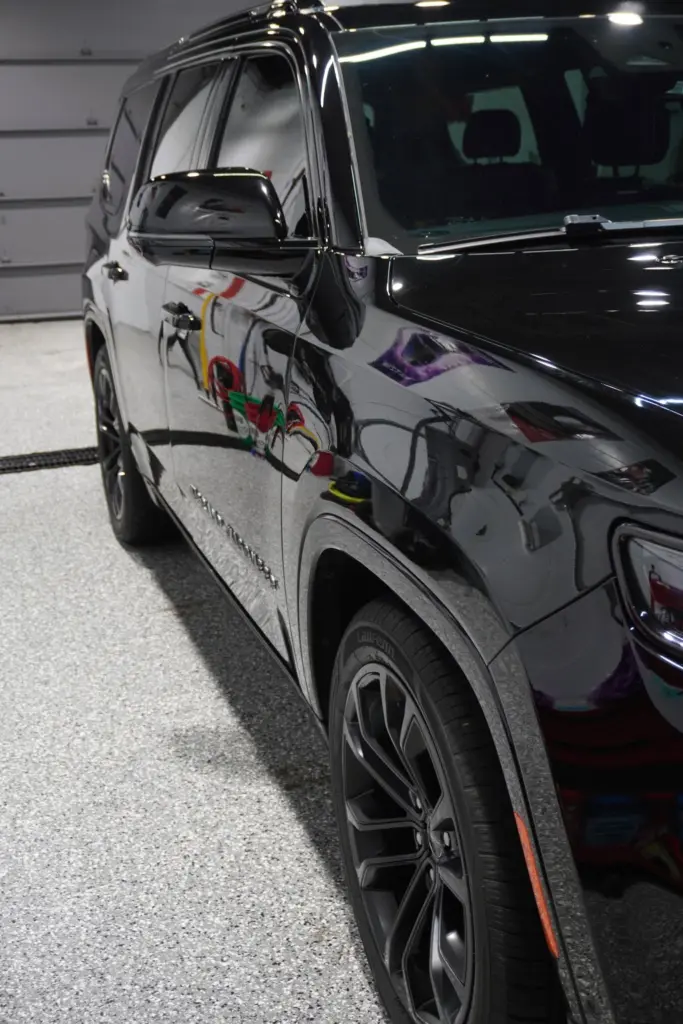
How Coverage Scope Changes the Installation Experience
Not every PPF installation looks the same because coverage scope varies.
A Partial Front installation generally involves fewer panels than a Full Front or Full Car installation. Larger coverage areas require more material, preparation, fitting, and application work.
Trent’s Total Auto Care offers Partial Front, Full Front, Track Pack, and Full Car options, each covering different areas of the vehicle.
The core installation steps remain similar regardless of coverage. The main differences involve how much of the vehicle needs attention and the complexity of the panels being protected.
Reviewing the available Paint Protection Film packages before your appointment can help you understand which areas are included and what your installation may involve.
What Certified Installer Training Actually Involves
Certified installation generally involves learning appropriate film-handling techniques and developing the practical skills needed for accurate application.
Installers need to understand how film responds to stretching, heat, moisture, and different panel shapes. They also need to recognize fitting problems and know how to address them without unnecessarily stressing or damaging the material.
Training requirements vary by certification program, so the exact process shouldn’t be assumed to be identical for every installer.
Ultimately, the value of proper training is reflected in careful preparation, accurate fitting, and consistent installation quality.
Environmental Conditions Affect the Process, Too
Installation isn’t just about the installer’s technique. The environment where the work happens also plays a role.
Dust, debris, and temperature can affect application conditions and increase the risk of contamination or fitting problems.
A clean, suitable installation environment helps reduce those risks and gives the installer better control over the process.
This is another reason installation shouldn’t be rushed simply to meet a tight timeline. Conditions matter as much as the schedule.
How Vehicle Design Affects Installation Complexity
Not every vehicle is equally straightforward to cover.
Vehicles with simpler body lines and fewer compound curves are generally easier to fit cleanly. More complex designs, including sharp character lines, tightly curved mirrors, and intricate front bumpers, can require additional attention during fitting and application.
These differences may influence how much time is needed and how the installer approaches particular panels.
None of this means a complex vehicle can’t be protected effectively. It simply means the installation needs to account for the vehicle’s specific design.
If You’re Also Considering Ceramic Coating on the Same Vehicle
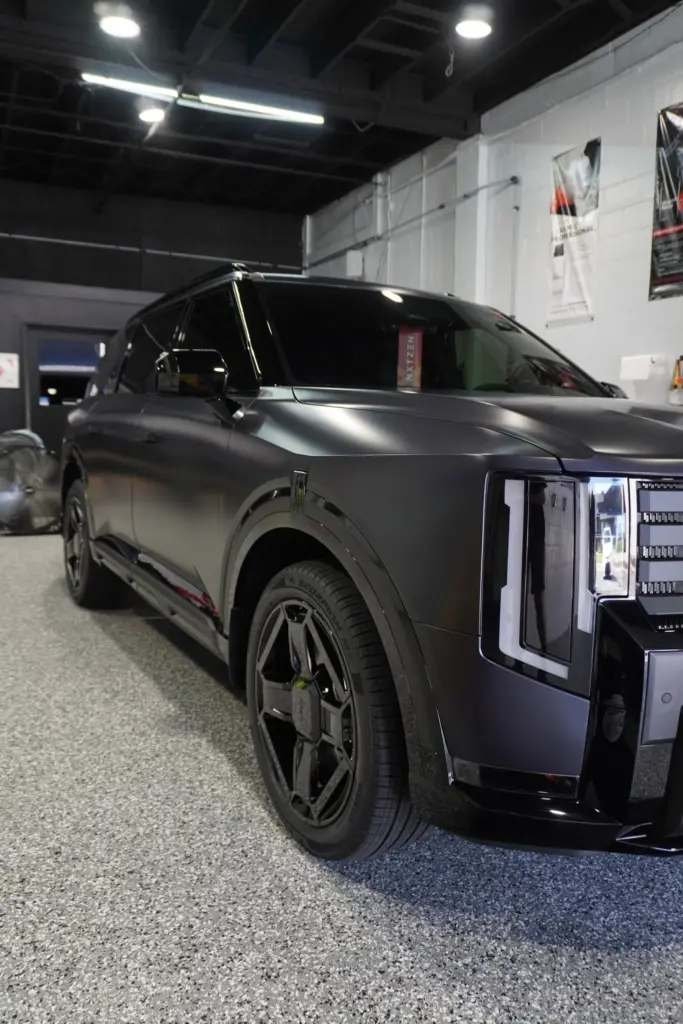
It’s fairly common for vehicle owners to consider PPF on high-impact areas and Ceramic Coating on the remaining painted surfaces. Some compatible coating systems may also be applied over Paint Protection Film.
If that’s part of your plan, it’s worth mentioning during the initial consultation.
The sequencing and timing of the two services depend on the specific products, installation requirements, and manufacturer guidance. Additional coating shouldn’t be applied over newly installed film without confirming compatibility and the appropriate preparation or waiting period.
Discussing both services together can help avoid scheduling conflicts and clarify what the finished protection package will include.
You can also review Trent’s Total Auto Care’s Ceramic Coating options when considering how the two services might fit your protection goals.
What to Expect in the Days and Weeks After Installation
Immediately after installation, some temporary changes in the film’s appearance may occur as remaining moisture dissipates and the adhesive settles.
Minor haze or moisture pockets may improve during the settling period, depending on the material and installation conditions. However, persistent bubbling, edge lifting, or unusual marks shouldn’t automatically be treated as normal.
Ask your installer what appearance changes to expect and when to contact the shop if something doesn’t improve.
Some installers also recommend a follow-up inspection after a period of normal driving to check how the edges are holding up. It’s worth asking whether that’s part of your particular installation.
After Installation
Once the film has settled and the appropriate initial care period has passed, routine maintenance is generally straightforward.
Normal washing considerations still apply, and PPF isn’t entirely maintenance-free. Gentle cleaning methods and film-compatible products help preserve its appearance.
Follow your installer’s instructions about when to wash the vehicle after installation and whether any special precautions are needed during the initial settling period.
Questions Worth Asking Before You Book
Going into a consultation with a few specific questions can make the process smoother.
It’s worth asking exactly which panels or areas will be covered, whether the selected film includes self-healing properties, what the recommended care routine looks like after installation, and whether any existing paint imperfections should be addressed first.
It’s also reasonable to ask what happens if you notice an issue after installation, such as lifting at an edge, a bubble that doesn’t improve, or an area that looks uneven.
Clear answers to these questions help establish realistic expectations and give you a better understanding of the process before committing.
We install Johnson Paint Protection Films for vehicle owners throughout Marysville and the surrounding area, including Dublin, Columbus, and Bellefontaine. Understanding the installation process ahead of time can help you make a more informed decision about protecting your vehicle.
A Reasonable Way to Prepare for Drop-Off
If you’ve decided to move forward, there are a few simple things that can make the appointment go more smoothly.
Arriving with a reasonably clean vehicle can help the installer evaluate the paint’s condition, although professional surface preparation will still be necessary before applying the film.
It’s also worth planning to leave the vehicle for the full appointment window rather than working around a tight schedule. The time required depends on your selected coverage, vehicle design, preparation needs, and installation conditions.
Finally, make sure you have a clear understanding of which areas you want protected before drop-off. That helps avoid revisiting basic coverage decisions once the installation process begins.
None of this is complicated. It mostly comes down to giving the process the time and information it needs to be completed properly.
Frequently Asked Questions
How long does PPF installation typically take?
It varies depending on how much of the vehicle is being covered and the specific panels involved. Rather than quoting a fixed timeframe, it’s best to ask Trent’s Total Auto Care directly once your coverage area and vehicle details are confirmed.
Can I wash my vehicle right after PPF installation?
There’s typically an initial settling period when specific care matters. Follow your installer’s guidance about when washing is appropriate, since recommendations can vary depending on the film and installation conditions.
What happens if the film doesn’t fit a curve or edge perfectly?
This is why accurate fitting and professional installation matter. An installer works to position and finish the film around the vehicle’s contours. If an edge appears misaligned, lifted, or otherwise unusual after installation, contact your installer for an assessment.
Does every panel get the self-healing type of film?
That depends on the specific Johnson Paint Protection Film product selected for your installation. Confirm its features and the covered areas during your consultation rather than assuming every film has identical properties.
Does the type of vehicle I drive affect how long installation takes?
It can. Vehicles with complex body lines, tight curves, or intricate panels may require more detailed fitting and application work than vehicles with simpler designs, which can affect the overall installation time.
Is it normal to see slight haziness at the edges right after installation?
Some temporary haze or moisture-related appearance changes can occur while the film settles. However, not every visible issue will resolve on its own. Ask your installer what’s expected and when persistent haze, bubbles, or edge lifting should be inspected.
Can I get PPF and Ceramic Coating done in the same visit?
It may be possible, depending on scheduling, product compatibility, and application requirements. Discuss both services with Trent’s Total Auto Care before booking so the installation sequence and appropriate waiting periods can be planned correctly.
Plan Your PPF Installation with Confidence
If you’re ready to discuss Paint Protection Film installation for your vehicle, or simply want a clearer idea of what the process involves, call Trent’s Total Auto Care in Marysville at (937) 553-4770 or request a quote. We’ll help you understand your coverage options and what to expect before committing to an installation.