Congratulations! You’ve invested in a professional ceramic coating, giving your vehicle’s paint the ultimate protection, depth, and hydrophobic finish. That dazzling, easy-to-clean shine isn’t magic, though—it’s advanced technology permanently bonded to your car’s clear coat.
While a ceramic coating makes maintenance significantly easier—contaminants struggle to stick, and washing is a breeze—it doesn’t make your car maintenance-free. Proper aftercare is absolutely essential to maximize the lifespan, performance, and aesthetic beauty of the coating you paid for.
If you’re wondering how to care for ceramic coated car surfaces properly, following a structured routine is the key to long-term protection and shine.
At Trent’s Total Auto Care, we believe in empowering our clients with the knowledge to maintain their investment properly. This comprehensive guide will walk you through the proven steps on how to care for ceramic coated car surfaces, ensuring that slick, glossy finish lasts not just for months, but for many years.
What Makes Ceramic Coating Care Different?
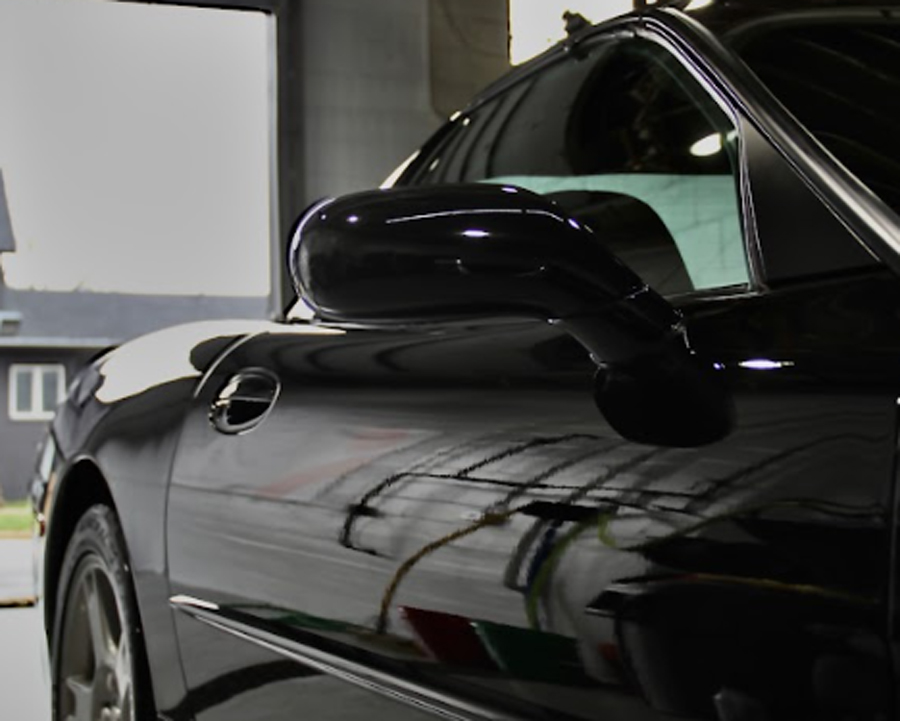
A professional ceramic coating is a semi-permanent, sacrificial layer of silicon dioxide ($SiO_2$) that bonds chemically with your car’s clear coat. Unlike wax, which sits momentarily on the paint, the coating becomes an integral part of the surface.
The goal of ceramic coating care is twofold:
- Preventing Clogging (Restoring Hydrophobicity): Keeping the surface free of mineral deposits, grime, and environmental fallout that can “clog” the pores of the coating. A clogged coating temporarily reduces its hydrophobic (water-repelling) properties, making water sheeting less effective.
- Maintaining Integrity (Chemical Safety): Using pH-neutral chemicals and proper, gentle washing techniques to avoid scratching or chemically degrading the $SiO_2$ structure itself.
- Consistent ceramic coating maintenance ensures the hydrophobic properties remain strong and the protective layer continues performing at its best year after year.
Phase 1: The Golden Rules of Washing a Ceramic Coated Car
The way you wash your car has the biggest impact on the coating’s longevity. This is where most owners make costly mistakes.
Understanding how to wash a ceramic coated car correctly will dramatically reduce swirl marks, contamination buildup, and premature coating wear.
1. Wash Frequently (But Not Excessively)
- Frequency: Wash your vehicle every 2–4 weeks. Allowing contaminants like bird droppings, dead bugs, or tree sap to dwell for too long, especially under hot sunlight, can still etch the coating (and potentially the paint beneath). The coating provides a buffer, but it’s not invincible.
- Avoid Automatic Car Washes: While the coating is tough, automatic car washes that use harsh brushes and strong, high-pH chemical detergents are highly abrasive and will prematurely wear down the coating. The friction from the brushes introduces swirl marks. Hand washing is always best.
2. Use pH-Neutral Soap
- Choose Wisely: Use a high-quality, pH-neutral car wash soap. This ensures the soap won’t chemically attack the $SiO_2$ layer. Avoid cheap soaps, industrial degreasers, or strong detergents that can be alkaline or acidic.
- Avoid Wax-and-Wash Products: Do not use wash products that contain carnauba wax or sealants. These products leave a temporary, organic film that interferes with the natural beading and sheeting action of the ceramic coating, reducing its self-cleaning effect.
3. Use the Two-Bucket Wash Method
This technique is essential for minimizing the chance of dragging dirt across the paint and causing microscopic swirls or scratches.
- Bucket 1 (Wash): Contains the soapy water and your clean wash mitt.
- Bucket 2 (Rinse/Grit Guard): Contains plain water and features a grit guard at the bottom. Use this bucket only to rinse your wash mitt after cleaning a section, depositing dirt into the bottom, away from your clean soapy water.
4. The Right Tools
- Use a clean, soft microfiber wash mitt or a quality wash sponge.
- Always use a separate, dedicated wheel-cleaning mitt/brush to prevent transferring brake dust to the paint.
Phase 2: Drying and Spot Removal
Drying is just as important as washing, especially in regions with hard water (high mineral content).
Proper drying is a critical part of ceramic coating maintenance, helping prevent mineral buildup and preserving long-term gloss.
1. Dry Immediately
- Prevent Water Spots: The incredible hydrophobic nature of the coating means water beads up beautifully. However, if those beads evaporate on the surface, they leave behind concentrated mineral rings (water spots) which can bond to the coating and must be removed quickly.
- Drying Methods:
- Air Dryer/Blower: This is the safest way. Use an electric leaf blower or dedicated car dryer to blow the majority of the water off the slick surface.
- Microfiber Towels: Use a large, plush microfiber drying towel (like a waffle weave or twisted loop) to blot and gently wipe the remaining moisture.
2. Quick Removal of Etching Contaminants
- Bird Droppings & Bugs: These contain highly corrosive acids. Remove them immediately—do not wait until the next wash. Wet the spot thoroughly with a quick detailer or spot remover, let it soak for a minute, and then gently wipe away with a damp microfiber towel. Do not scrub hard.
- Water Spots: If you notice dried water spots that won’t rinse away, use a specialized, ceramic coating-safe water spot remover (often mild acid-based) applied to a towel. Apply gently, wipe off, and rinse the area immediately to neutralize the product.
Phase 3: Boosting and Maintaining the Coating
Over time, daily driving, road film, and environmental factors can slightly diminish the coating’s hydrophobicity. You can easily restore this slickness.
Ongoing ceramic coating maintenance with boosters and decontamination treatments helps extend the coating’s lifespan and performance.
1. Use a Ceramic Maintenance Spray
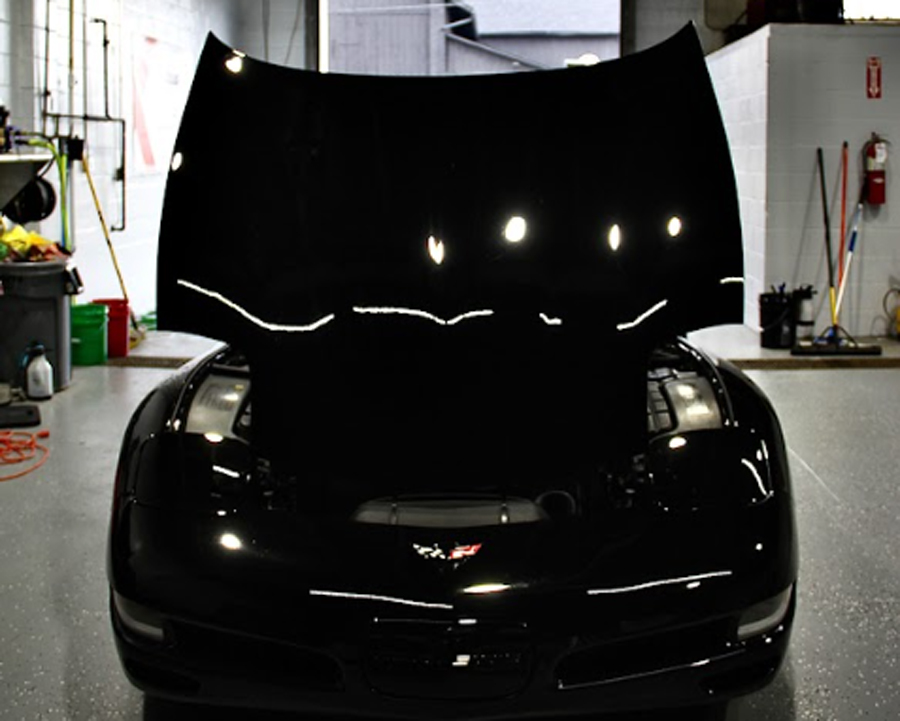
- Purpose: These spray products (often called ceramic boosters, toppers, or silica sealants) are designed to rejuvenate the $SiO_2$ surface. They are essentially a thin, temporary layer of the same chemistry as the coating, filling in microscopic wear points.
- Application: After washing and drying, mist the booster onto a small panel, spread it with a microfiber towel, and immediately buff it off with a second dry towel. This restores that high-gloss, slick feel and maximum water beading.
- Frequency: Apply every 3–6 months, or as needed when the slickness seems to fade.
2. Decontamination Wash (Annually)
If your coating seems significantly less hydrophobic, it’s likely “clogged” with embedded contaminants like industrial fallout or brake dust, not necessarily failing.
- Iron Remover: Perform a chemical decontamination using an iron remover spray (like an “Iron X” type product). Spray it on a cool, clean, and dry car; let it dwell until it turns purple (reacting with iron particles); and rinse thoroughly. This deep cleans the coating’s surface, restoring its full hydrophobic performance.
- Clay Bar: After the iron remover, if the surface still feels rough, a light clay bar treatment can be used. Use a fine-grade clay and plenty of lubrication (like quick detailer). This should not be done frequently, as it is a physical abrasive process, but it can remove tar or heavy road debris.
What to AVOID with a Ceramic Coated Car
To ensure your investment lasts as long as possible, be vigilant about avoiding these common detailing errors:
- Solvents or Heavy Degreasers: Avoid using harsh chemicals like paint thinners, acetone, or heavy-duty alkaline degreasers on the coated paint. These can chemically damage the coating’s structure.
- Dish Soap: Never use dish soap (Dawn, Palmolive, etc.), as it is engineered to be a powerful degreaser designed to strip oils, which means it will quickly degrade any top-layer sealants and the longevity of the coating itself.
- Scrub Brushes: Never use stiff bristles or wheel brushes on the painted surface—only soft wash mitts or gentle foam cannon applications.
- Abrasive Products: Avoid using abrasive polishes, compounds, or coarse rubbing compounds. If a scratch is deep enough to require compounding, it
- means the coating is compromised in that area and may need professional re-application.
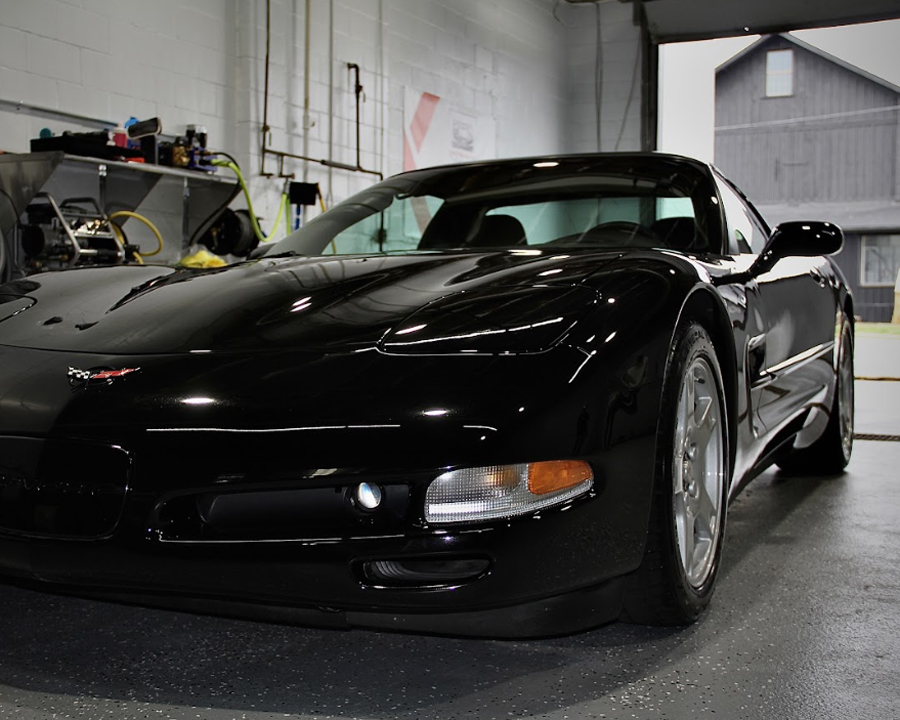
Need Help Maintaining or Installing Your Coating?
Caring for your ceramic coated vehicle doesn’t have to be complicated, but it does require adherence to these best practices. If you’re unsure about the condition of your existing coating, need help with heavy contamination removal, or if you’re ready to protect a new vehicle with a durable ceramic coating, trust the professionals at Trent’s Total Auto Care.
We use the best professional-grade products and techniques to ensure your vehicle achieves and maintains that showroom shine, simplifying your long-term maintenance and protecting your investment for years to come.
Trent‘s Total Auto Care Address: 405 S Oak St suite b, Marysville OH Phone Number: +1 937-553-4770 Follow Us: Trent’s Total Auto Care on Facebook