A lot of the Ceramic Coating questions we hear come down to one underlying concern: “Does this work the same on my car as it would on a brand-new one?” It’s a fair question, and the answer is mostly yes, with one significant exception that has less to do with the coating itself and more to do with the condition of the paint underneath it.
What Doesn’t Change
The basic chemistry of Ceramic Coating doesn’t depend on how old your vehicle is. Nxtzen Ceramic Coatings chemically bond to properly prepared exterior surfaces, whether applied to a car that rolled off the lot last month or one that’s been driven for a decade. The benefits, including deeper gloss, water beading, easier washing, and added defense against UV exposure, dirt, stains, and water spots, follow the same underlying principles regardless of vehicle age.
The fundamental application steps are also similar: proper cleaning and decontamination, careful application, and appropriate curing time. However, the amount of preparation needed can vary considerably depending on the condition and history of the paint.
What Does Change: Paint Condition
Here’s the actual variable that matters. A new vehicle typically arrives with factory paint in relatively good condition. There may be light swirl marks from dealership preparation or transport, but generally speaking, there’s less accumulated wear to account for. That often means less corrective work is needed before coating.
A used vehicle is a different story, not necessarily a worse one, just different. Years of washing, sun exposure, minor contact, and general road use can leave swirl marks, light scratches, oxidation, or embedded contamination in the clear coat.
None of that automatically makes the vehicle a poor candidate for Ceramic Coating. It simply means the paint’s condition needs to be evaluated before deciding what preparation is appropriate.
Why This Matters More Than the Coating Decision Itself
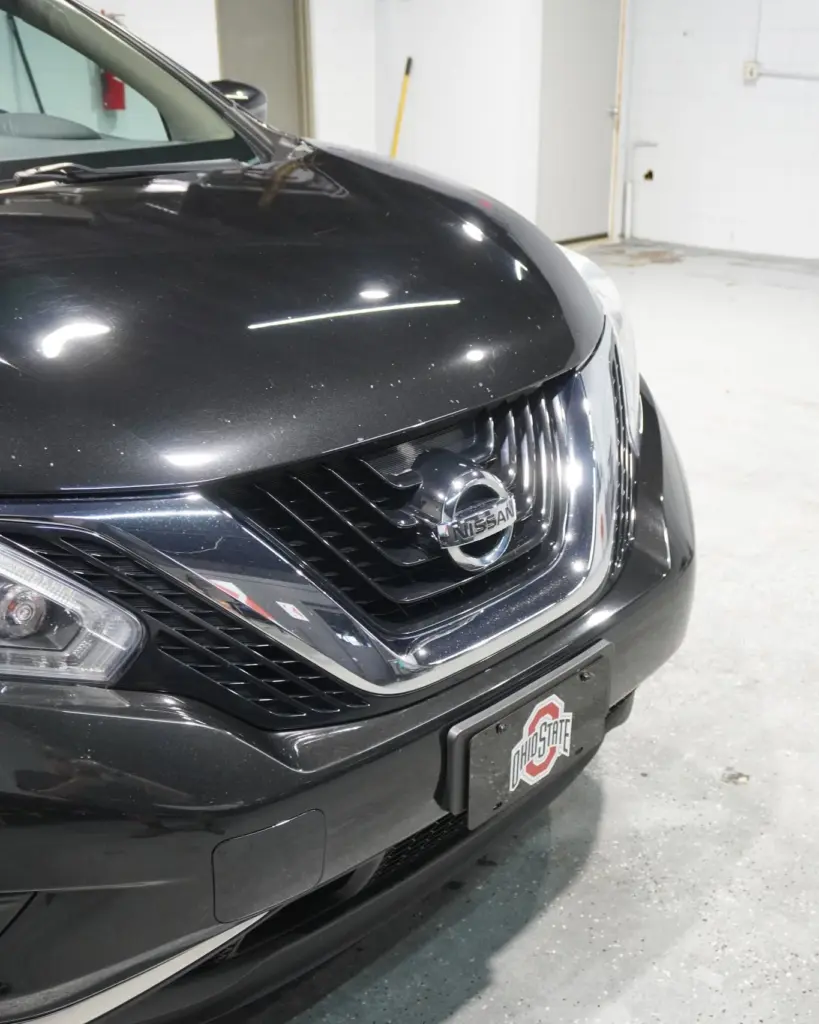
Ceramic Coating enhances and protects the prepared surface, but it doesn’t correct existing paint defects. If a used vehicle has swirl marks or oxidation and the coating is applied without addressing them, those imperfections may remain visible beneath the coating.
This is why Paint Correction sometimes becomes part of the conversation for older or used vehicles. It isn’t automatically required at the same level for every vehicle. A well-maintained finish might need only minimal correction, while paint with visible swirling or dullness may benefit from more extensive work.
Understanding the paint’s condition first helps determine which preparation and coating approach makes sense.
A Newer Vehicle Isn’t Automatically “Better Prepped,” Either
A brand-new vehicle can pick up minor defects during transport, dealership handling, or even a single improper wash before you take ownership.
“New” and “flawless” aren’t automatically the same thing, which is why examining the actual paint is more useful than assuming a vehicle needs less work based on its age alone.
Environment Matters More Than the Odometer
A vehicle’s age and mileage aren’t always reliable indicators of paint condition.
A five-year-old vehicle that’s spent most of its life in a garage and received careful hand washing can have noticeably better paint than a two-year-old vehicle parked outside year-round and regularly taken through automatic brush washes.
When comparing new and used vehicles, accumulated exposure and previous care often matter more than the calendar age of the car.
What About Leased Vehicles?
If you’re leasing rather than owning, the question shifts slightly. You’re often working with a newer vehicle but thinking about protecting it for a defined ownership period.
Ceramic Coating works the same basic way regardless of lease status. The decision usually comes down to how much you want to protect the vehicle’s appearance and make regular maintenance easier during the time you’ll have it.
It’s also worth considering the condition requirements in your lease agreement without assuming coating will prevent every type of wear.
A Simple Way to Check Your Paint’s Condition Before Booking
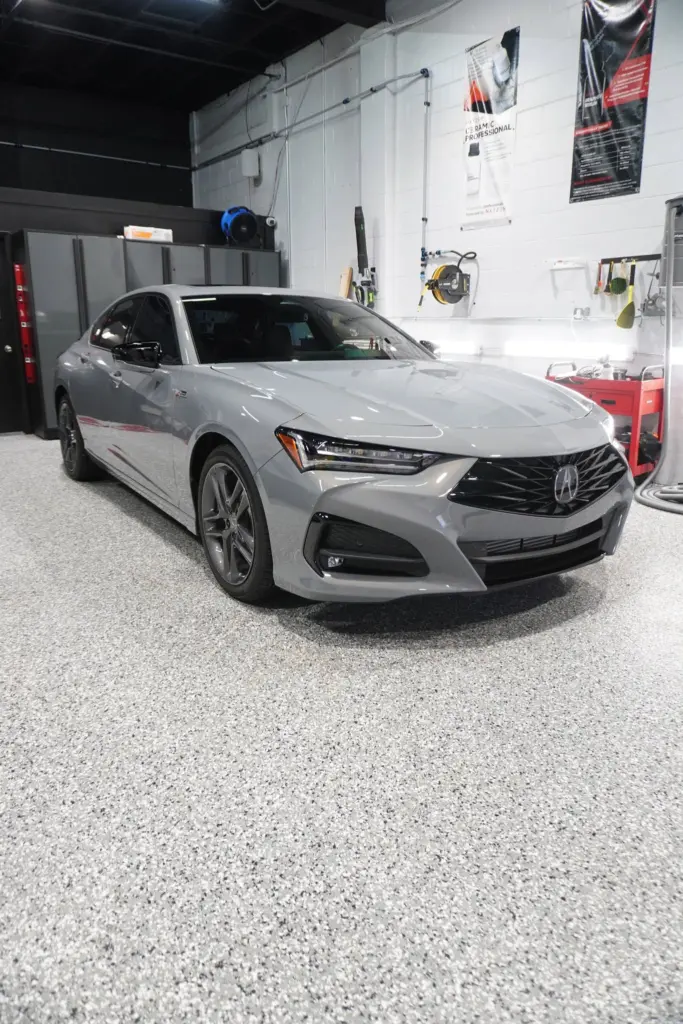
You don’t need special equipment to get a rough sense of your paint’s condition before a consultation. A few things are worth checking on a clear day:
Look at the paint in direct sunlight, at an angle. Swirl marks and fine scratches can be difficult to notice under normal indoor lighting but become more visible when sunlight hits the surface at certain angles.
Check how smooth the paint feels after washing. On a thoroughly cleaned surface, gently checking a small area with clean hands can help identify roughness caused by bonded contamination. Avoid rubbing across visible dirt or debris, which could introduce additional scratches.
Look for hazing or dullness across different panels. A hood or trunk exposed to more sunlight than the doors may show noticeable differences in gloss or surface condition.
None of these checks replaces a professional assessment, but they can help you understand what to discuss before booking. They also explain why two vehicles of similar age can have very different preparation needs.
How a Professional Assessment Goes Beyond a Visual Check
The at-home checks above provide a useful starting point, but a professional assessment may go further.
Detailers often use focused inspection lighting to reveal fine scratching and swirl marks that normal lighting can miss. Some shops also use paint thickness gauges to evaluate the overall coating thickness on compatible surfaces, which can help identify differences between panels or signs of previous refinishing.
These gauges do not necessarily measure each individual paint layer separately, and their readings require proper interpretation.
The purpose of these assessments is to better understand the paint’s condition before deciding how much correction is appropriate, rather than making assumptions based on the vehicle’s age.
What About Vehicles With Prior Paint Repair or Bodywork?
This situation can apply to both newer and older vehicles.
If a vehicle has undergone bodywork or had a panel repainted, that section may differ from the surrounding factory finish. Refinished panels can have different coating thicknesses, surface characteristics, or curing requirements, which may influence how they should be prepared.
A recently repainted panel may also need to complete its recommended curing period before Ceramic Coating is applied.
This doesn’t mean a vehicle with repair history should automatically avoid coating. It’s simply another factor worth discussing before starting, particularly when Paint Correction is being considered.
What Happens If Correction Is Skipped When It Was Actually Needed
If a vehicle has visible swirl marks, oxidation, or other surface imperfections, applying Ceramic Coating without addressing them first won’t make those defects disappear.
The coating can still provide its intended protective benefits, but existing imperfections may remain visible. Correcting them afterward may require removing or compromising the coating in the affected area.
That’s why evaluating the paint before application is important, particularly for owners who want both improved appearance and long-term protection.
If you’re unsure what coating can and cannot improve, our explanation of whether Ceramic Coating hides scratches provides more detail about the difference between surface protection and paint defect removal.
A Quick Comparison: Typical Starting Points
| Factor | Typical New Vehicle | Typical Used Vehicle |
| Factory paint condition | Generally good, with limited wear history | Varies based on age, maintenance, and previous exposure |
| Common surface issues | Possible light swirl marks from transport or dealership handling | Swirls, scratches, oxidation, or bonded contamination may be more common |
| Typical preparation needs | Cleaning, decontamination, and correction where necessary | Condition assessment with correction recommended when appropriate |
| Coating chemistry | Same fundamental protective principles | Same fundamental protective principles |
| Ongoing maintenance | Regular washing and product-specific care | Regular washing and product-specific care |
This comparison doesn’t suggest every new vehicle needs minimal preparation or every used vehicle needs extensive Paint Correction. The meaningful differences generally appear during assessment and preparation, not because the coating works differently on older paint.
Does Timing of the Year Matter for New vs. Used Vehicles?
The time of year can influence the condition of a vehicle when it arrives for service.
A used vehicle coming through a Central Ohio winter may have accumulated road salt, grime, and other contamination, particularly around lower panels and areas exposed to road spray.
A vehicle that’s been regularly maintained throughout the warmer months may present a different starting condition.
This doesn’t fundamentally change how Ceramic Coating works, but it can influence the cleaning, decontamination, and preparation required before application.
The important factor remains the actual condition of the paint at the time of service.
What This Means If You’re Deciding Now
If you’re driving a newer vehicle and considering Ceramic Coating primarily to protect its factory finish, the process may be relatively straightforward when the paint is already in good condition. Standard cleaning, decontamination, and any necessary correction help prepare the surface for application.
If you’re driving a used vehicle, whether it’s a few years old or considerably older, it’s worth expecting a conversation about the paint’s current condition before deciding on the appropriate coating package.
Neither situation automatically makes one vehicle a better candidate than the other.
Trent’s Total Auto Care offers Ceramic Coating services with different protection durations and preparation inclusions, allowing vehicle owners to compare options based on their needs.
Once the coating is applied, ongoing care remains important regardless of vehicle age. Following the recommended washing methods and maintenance guidance helps preserve its appearance and protective performance.
For drivers in Marysville and surrounding areas, including Dublin, Hilliard, and Columbus, the starting question is the same: what does the paint actually look like right now, and what preparation will help achieve the desired result?
Frequently Asked Questions
Does a used vehicle need Paint Correction before Ceramic Coating?
Not automatically. It depends on the actual condition of the paint. Some used vehicles are well-maintained and need little correction, while others benefit from addressing swirl marks, scratches, or oxidation first. A paint assessment helps determine what preparation is appropriate.
Will Ceramic Coating make older paint look brand new?
Ceramic Coating can enhance gloss and provide protection, but it isn’t a substitute for Paint Correction. Existing scratches, swirl marks, and other paint defects may remain visible if they aren’t addressed before coating.
Is there any reason not to coat a used vehicle?
A used vehicle can be a suitable candidate if its paint is in an appropriate condition for coating. However, failing paint, unresolved surface damage, or recently repainted panels that haven’t completed their recommended curing period may require additional attention before application.
Does coating a new vehicle take less time than coating a used one?
It can, particularly when a new vehicle requires less preparation. However, the total process depends on the paint’s condition, the selected package, and any correction work involved rather than vehicle age alone.
Can I check my own paint condition before bringing the vehicle in?
Yes. Examining the paint in direct sunlight and carefully checking a thoroughly cleaned surface for roughness can reveal possible swirl marks or contamination. These checks provide an initial impression, but a professional assessment can identify issues that aren’t immediately visible.
Is a two-year-old vehicle treated the same as a ten-year-old vehicle for coating purposes?
Not necessarily. A well-maintained older vehicle can have better paint condition than a newer one exposed to harsher conditions or improper washing. Preparation should be based on the actual finish rather than age alone.
Does a repainted panel need to be treated differently than the factory paint around it?
It can. Repainted panels may have different surface characteristics, coating thicknesses, or curing requirements. Let your detailer know about any previous repairs so those areas can be assessed before correction or coating.
Choosing Ceramic Coating Based on Your Paint’s Condition
Whether your vehicle just came off the lot or has several years of driving behind it, the most useful starting point is understanding its current paint condition.
Contact Trent’s Total Auto Care in Marysville, OH, at (937) 553-4770 or request a quote to discuss your vehicle, its preparation needs, and the Ceramic Coating options that make sense for your situation.