Ceramic coating and paint protection film get compared constantly, but they’re not actually competing products — they protect against different types of damage. Ceramic coating is a chemical-resistant, hydrophobic surface layer. PPF is a physical, impact-absorbing film. The right choice (or combination) at Trent’s Total Auto Care depends on what kind of damage you’re most trying to prevent, and what your goals are for the vehicle’s appearance and upkeep.
What Ceramic Coating Protects Against
Ceramic coating chemically bonds to the clear coat, creating a hardened layer that resists chemical etching, UV degradation, and everyday environmental grime. Its most noticeable everyday benefit is a strong hydrophobic effect — water beads and sheets off the surface, taking dirt, road salt, and pollen with it, which makes regular washing faster and easier.
What it does not do is provide meaningful defense against physical impacts. A rock kicked up at highway speed will chip the paint under a ceramic coating just as it would chip unprotected paint. Ceramic coating is about surface-level chemical protection and appearance, not physical impact resistance.
What Paint Protection Film Protects Against
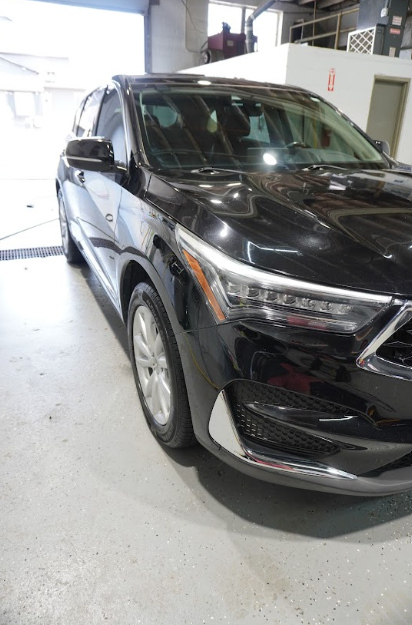
PPF is a thick, clear film applied to specific panels — typically the front bumper, hood, fenders, mirrors, and other high-impact zones. It physically absorbs rock chips, road debris impacts, and minor scratches before they reach the paint. Higher-quality films used at Trent’s Total Auto Care also offer self-healing properties for light scuffs and swirl marks.
What PPF doesn’t do is provide the same level of chemical resistance or the hydrophobic, easy-clean surface behavior that ceramic coating offers — and PPF alone still requires the same washing and care considerations as unprotected paint underneath it, unless a ceramic topcoat is added.
For a closer look at exactly which zones PPF typically covers, see our guide in this article.
Key Differences at a Glance
| Factor | Ceramic Coating | Paint Protection Film |
| Protection type | Chemical / surface | Physical / impact |
| Protects against | UV, chemical etching, environmental grime | Rock chips, road debris, minor scratches |
| Hydrophobic effect | Strong | Minimal on its own |
| Coverage | Typically whole vehicle | Typically high-impact zones (or full vehicle) |
| Maintenance impact | Easier washing, less contamination buildup | Reduces impact damage, same wash routine |
| Best paired with | PPF (for impact-prone areas) | Ceramic coating (for chemical resistance) |
When Ceramic Coating Alone Makes Sense
If your primary concern is keeping the paint looking glossy and making maintenance easier — and physical impact damage (rock chips, road debris) isn’t a major concern for how or where you drive — ceramic coating on its own is often sufficient. This is a common choice for vehicle owners focused on appearance, ease of washing, and protecting against everyday environmental exposure rather than highway driving conditions.
When PPF Alone Makes Sense
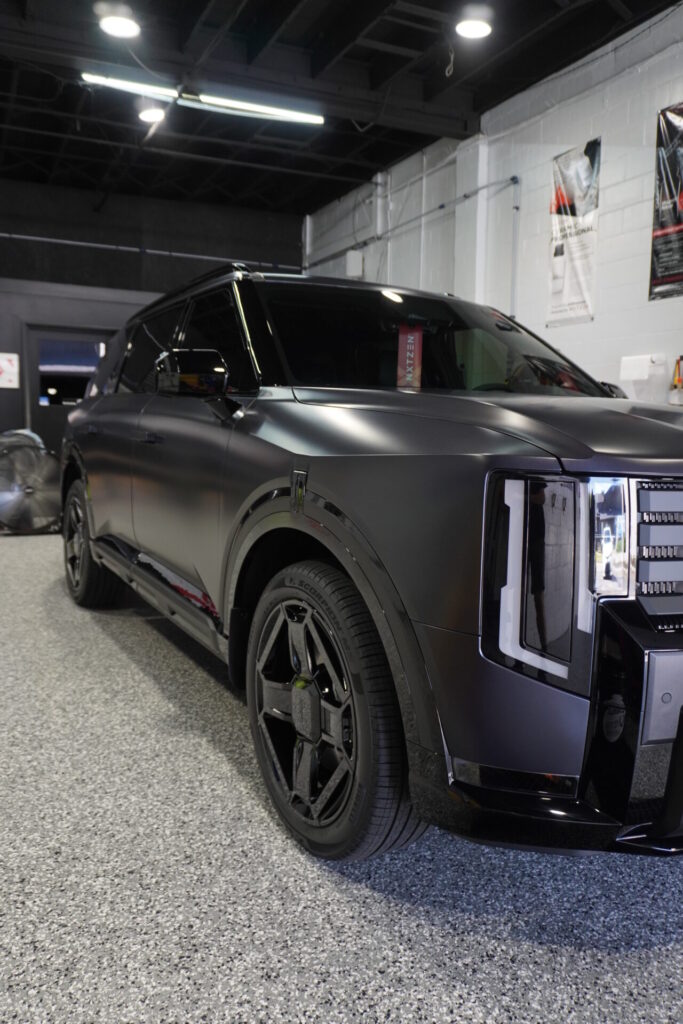
If your priority is specifically preventing chips and scratches on the areas most exposed to road debris — and chemical resistance or hydrophobic washing benefits are secondary — PPF applied to the front end and other high-impact zones addresses that directly, even without a ceramic topcoat.
Why Many Vehicle Owners Choose Both
The two products solve different problems, which is exactly why combining them is common: PPF handles the physical, impact-prone areas, while ceramic coating protects the rest of the vehicle chemically and improves overall maintenance. Ceramic coating can also be applied directly over PPF, extending the film’s gloss and adding hydrophobic properties to the protected panels as well.
This combination tends to make the most sense for daily drivers and vehicles that see regular highway use, since they’re exposed to both the physical risks (road debris) and the chemical/environmental risks (sun, contamination, frequent washing) that each product is built to address.
If you’re weighing this for a daily-driven vehicle specifically, our detailed breakdowns on Is Ceramic Coating Worth It for a Daily Driver in Columbus, Ohio? and Is Paint Protection Film Worth It for a Daily Driver? both dig into that use case in more detail.
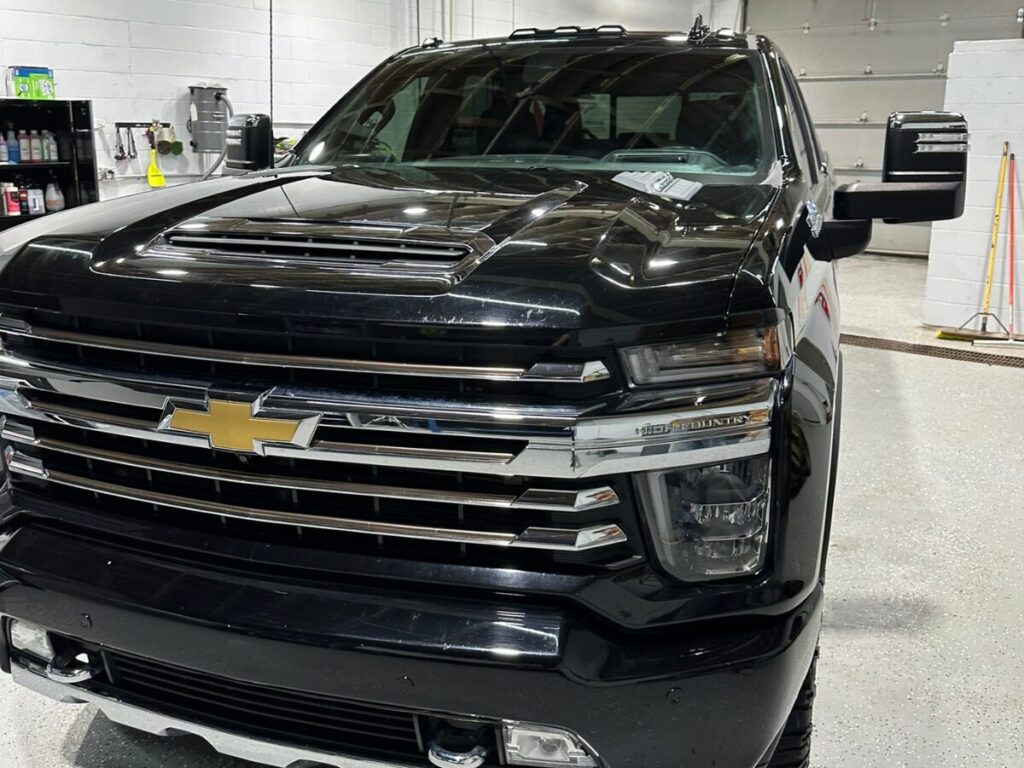
Making the Decision for Your Vehicle
There’s no universally “better” option between the two — the right answer depends on your driving conditions, budget, appearance goals, and which areas of the vehicle you’re most concerned about protecting. A vehicle that’s mostly garage-kept and driven locally in Marysville has different needs than one that spends hours a week on the highway.
Being clear about what you’re actually trying to prevent — chips and scratches, chemical staining and fading, or both — is the fastest way to land on the right combination. Contact our team at Trent’s Total Auto Care to evaluate your vehicle’s specific needs.
Frequently Asked Questions
Is ceramic coating or PPF better?
Neither is universally better — they protect against different types of damage. Ceramic coating handles chemical and environmental protection; PPF handles physical impact protection.
Can you put ceramic coating over paint protection film?
Yes. Ceramic coating can be applied over PPF to add hydrophobic properties and gloss to the protected areas, in addition to the film’s physical protection.
Do I need both ceramic coating and PPF?
Not necessarily — it depends on your priorities. Many owners do choose both because the two products cover different types of damage, but either can be used on its own depending on your goals.
Which one should I get first if I can only afford one right now?
That depends on what you’re more concerned about: PPF if physical impact damage (chips, scratches) is the bigger worry, or ceramic coating if chemical protection, gloss, and easier maintenance are the priority.
Does PPF need ceramic coating to work properly?
No — PPF functions as physical protection on its own. Ceramic coating is an enhancement, not a requirement, for PPF to do its job.