
Ceramic coating makes maintaining your vehicle’s paint noticeably easier — but “easier” isn’t the same as “zero maintenance.” A coated vehicle still needs to be washed correctly, with the right products, to get the full lifespan and performance out of the coating. At Trent’s Total Auto Care, we remind owners that some of the most common reasons a coating underperforms or degrades early come down to simple maintenance habits, not the product itself.
Washing Do’s and Don’ts
The hydrophobic surface a ceramic coating creates means dirt, pollen, and road grime rinse off more easily than on unprotected paint — but the wash method still matters.
Do:
- Use the two-bucket wash method (one bucket for soap, one for rinsing your wash mitt) to reduce the chance of dragging grit across the surface.
- Use a pH-neutral, ceramic-safe car wash soap.
- Rinse thoroughly before contact washing to remove loose debris first.
- Dry with a clean, soft microfiber towel or a blower to avoid water spotting.
Don’t:
- Run a coated vehicle through automatic brush car washes, which can introduce fine scratching over time regardless of the coating.
- Use dish soap or heavily degreasing detergents, which can strip the coating’s hydrophobic properties faster than a proper car wash soap.
- Let bird droppings, tree sap, or bug residue sit for extended periods — while ceramic coating adds chemical resistance, it’s not permanent immunity, and prompt removal still matters.
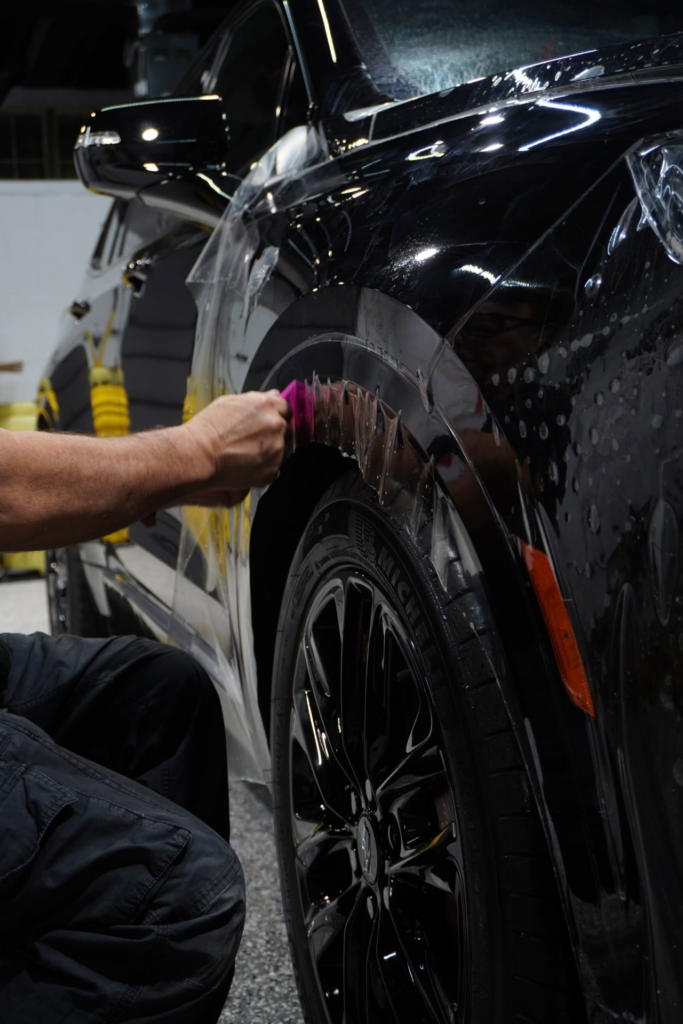
Products That Work With (and Against) Ceramic Coating
Not every product marketed for “shine” or “protection” is compatible with a cured ceramic coating. Ceramic-safe shampoos, dedicated ceramic boosters/toppers, and quick detailers formulated for coated surfaces are designed to work with the coating rather than break it down.
On the other hand, older-style waxes, some all-in-one polish/wax combo products, and abrasive clay bars used without care can compromise or unnecessarily strip a coating that’s already doing its job.
If you’re not sure whether a specific product is coating-safe, checking the label for “ceramic-safe” language — or asking our team at Trent’s Total Auto Care — is worth the extra minute before applying anything new to the vehicle.
Common Mistakes That Shorten Coating Performance
A few habits show up repeatedly as reasons a ceramic coating seems to “stop working” earlier than expected:
- Infrequent washing. Letting contamination build up for long stretches makes it harder to remove and can allow it to etch into the coating over time.
- Automatic touchless or brush washes. Touchless washes rely on harsher chemicals to compensate for the lack of physical agitation, which can be tougher on a coating than a proper hand wash.
- Skipping the drying step. Air-drying without wiping can lead to water spots and mineral deposits that dull the coating’s appearance over time.
- Ignoring early signs of wear. Reduced water beading or a duller appearance are early indicators the coating may need attention — ignoring these signs tends to let the underlying paint go unprotected longer than necessary.
Signs Your Coating May Need Maintenance or Reapplication
A well-maintained ceramic coating should continue beading water and shedding dirt easily. When you start to notice water sheeting instead of beading tightly, dirt sticking more than it used to, or a general dulling of gloss, those are signs the coating’s performance is declining — not necessarily failing outright, but worth having assessed.
Specific reapplication timelines vary by product (such as Nxtzen Ceramic Coatings used at Trent’s Total Auto Care) and driving conditions, so rather than working from a fixed calendar date, it’s more reliable to watch for these performance signs and have the coating inspected if you notice a change.
When to Bring Your Vehicle Back for Professional Inspection
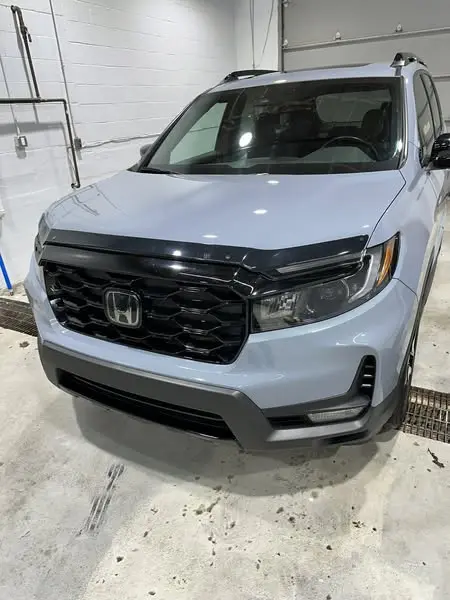
If you’re noticing reduced water beading, increased contamination buildup, or areas that look duller than the rest of the vehicle, it’s worth having the coating checked rather than assuming it needs full reapplication. In some cases, a proper decontamination and maintenance detail at Trent’s Total Auto Care can restore performance without needing a new coating application.
If the vehicle also has areas prone to rock chips or scratches that keep showing up despite the coating, that’s a good time to revisit whether adding paint protection film (PPF) to those specific zones makes sense alongside the coating already in place.
For a refresher on how ceramic coating fits into daily-driver ownership specifically, our guide on Is Ceramic Coating Worth It for a Daily Driver in Columbus, Ohio? is a useful companion read. If the coating was applied some time ago and the paint condition has changed, our breakdown on Do You Need Paint Correction Before Ceramic Coating? explains when correction becomes relevant again.
Frequently Asked Questions
Can I take a ceramic coated car through an automatic car wash?
Touchless and brush automatic washes are generally not recommended — touchless washes use harsher chemicals, and brush washes can introduce fine scratching. A proper hand wash is the safer option for a coated vehicle.
How often should I wash a ceramic coated vehicle?
Regular washing — generally every one to two weeks depending on driving conditions — helps prevent contamination from building up and etching into the coating over time.
Does ceramic coating ever need to be reapplied?
Coating performance can decline over time depending on the product, driving conditions, and maintenance habits. Watching for reduced water beading or duller gloss is a more reliable indicator than a fixed timeline.
Can I use regular car wax on top of ceramic coating?
No — traditional wax isn’t necessary and can interfere with the coating’s hydrophobic properties. Ceramic-safe boosters or toppers are the appropriate alternative if you want to refresh the finish.
What’s the biggest mistake people make after getting a ceramic coating?
Assuming the vehicle needs little to no maintenance. Ceramic coating reduces maintenance effort significantly, but regular proper washing is still what keeps it performing well.