It genuinely depends on how the vehicle is actually driven, stored, and maintained day to day — ceramic coating is not automatically worthwhile for every single owner, regardless of what marketing language might otherwise suggest. A daily-driven vehicle parked outside regularly in the Columbus area, dealing with dust, road grime, and genuine seasonal weather swings, tends to be a genuinely stronger candidate than a vehicle that’s rarely driven or kept garaged most of the time. The real benefit for a daily driver is easier washing and better gloss retention over time, not a maintenance-free vehicle that never needs attention again.
Daily-Driver Exposure Is the Starting Point
A vehicle driven regularly accumulates dirt, dust, road grime, and general contamination simply through normal use — baseline exposure that a weekend or garage-kept vehicle genuinely doesn’t experience at the same rate or intensity. Whether that exposure justifies coating depends on how much it actually bothers the owner and how much effort they’re currently putting into managing it through regular washing on their own, without any protective coating involved at all. An owner who already washes frequently and doesn’t mind the routine may see less practical benefit than one who struggles to keep up with washing during busier stretches of the year.
Where the Vehicle Is Stored Matters
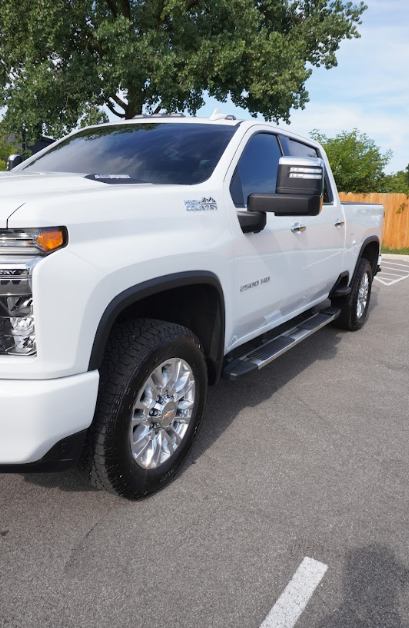
Outdoor parking exposes a vehicle to sun, dust, and precipitation-related contamination like water spotting far more than garage storage does over the course of a full year. A daily driver that’s also garage-kept overnight faces meaningfully less cumulative exposure than one parked outside around the clock, which genuinely affects how much practical benefit coating actually delivers day to day, regardless of which specific coating product is ultimately chosen. This distinction matters more than most coating marketing acknowledges, since the same product can deliver very different real-world value depending purely on where a vehicle spends its downtime between drives.
Columbus’s Seasonal Conditions
Columbus, Ohio experiences a genuine range of seasonal weather — humid summers, real winter conditions, and meaningful temperature swings across the year — that represent legitimate environmental exposure for any vehicle’s exterior throughout a typical ownership period. None of this means coating is uniquely necessary in Columbus specifically; it means the same coating on the same vehicle will generally perform differently depending on how much of this seasonal exposure it actually experiences and how promptly contamination gets addressed after each exposure event, whether that’s a winter storm or a humid summer’s worth of pollen and road grime.
What Ceramic Coating Does Not Do
This is worth being genuinely direct about, since it’s the most common source of disappointment among first-time coating customers. Ceramic coating does not stop rock chips — it’s a thin, bonded layer, not a physical barrier with the thickness to absorb an impact from road debris kicked up on the highway. It does not make paint scratch-proof, does not prevent every water spot, and does not eliminate the need for washing or periodic detailing at any point during ownership. A coated daily driver still needs regular care; the coating changes how much effort that care takes, not whether it’s needed at all going forward.
Does a Coated Car Still Need Washing?
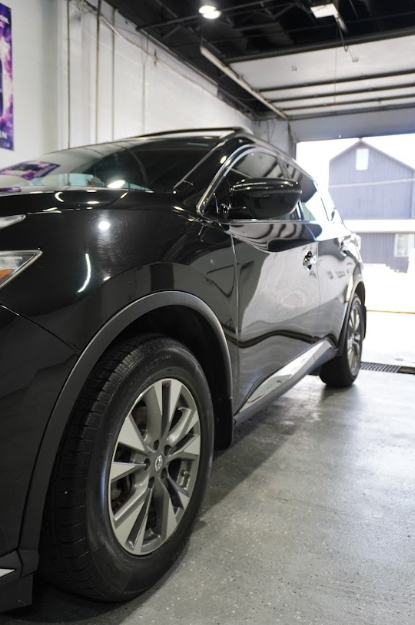
Yes, genuinely. Coating makes some maintenance easier, but it doesn’t replace regular washing or periodic detailing — the vehicle still needs ongoing care to look its best over the coating’s full intended lifespan. Routine auto detailing remains part of ownership regardless of which coating is chosen, and skipping it entirely because a vehicle is coated tends to shorten how good the result looks over time.
Ceramic Coating Decision Factors for Columbus Daily Drivers
| Ownership Scenario | Ceramic Coating Consideration | Why |
|---|---|---|
| Daily commuter | Potentially strong candidate | Regular exposure makes the easier-maintenance benefit genuinely relevant |
| Outdoor-parked vehicle | Potentially useful | More exposure to contamination than garage-kept vehicles |
| Garage-kept weekend vehicle | Depends on owner goals | Different, generally lower exposure profile |
| New vehicle | Worth considering early | Protects the original finish before wear accumulates |
| Owner focused on easier maintenance | Strong candidate | Aligns directly with coating’s core benefit |
| Owner primarily worried about rock chips | Different protection need | Coating isn’t designed for physical impact protection — Paint Protection Film is the more relevant service |
| Owner unwilling to perform routine maintenance | Poor expectation fit | Coating still requires regular washing to deliver its benefits |
Who May Not Need Ceramic Coating
An owner who rarely drives the vehicle, keeps it garaged consistently, or is mainly motivated by concerns coating genuinely doesn’t address — like rock-chip protection or fixing existing scratches — may find that coating doesn’t deliver enough practical value to justify the investment for their particular situation. That’s a legitimate, entirely reasonable conclusion, not a lesser one — coating solves a specific set of problems, and if those specific problems genuinely aren’t bothering an owner, regular detailing on its own may be a complete answer for their needs.
Can You Coat an Older Vehicle?
Yes, generally, though paint condition matters considerably more on an older vehicle than a brand-new one. A used vehicle with significant existing wear may genuinely benefit from paint correction first — covered in more depth in whether correction should come first — since coating protects existing condition rather than improving it in any meaningful way. Skipping that evaluation entirely and assuming an older vehicle is simply “too far gone” for coating, or conversely assuming any vehicle is automatically ready regardless of condition, are both mistakes worth avoiding before booking any appointment.
Cost Considerations Without a Fixed Number
Coating quotes vary by vehicle size, paint condition, and any preparation required, since these variables genuinely affect how much time and product a given vehicle actually needs. Rather than expecting a single universal price, it’s more useful to understand which variables affect a quote and ask directly how those variables apply to your specific vehicle and its actual condition. Paint condition is often the single biggest variable in why two seemingly similar quotes can differ substantially, since a vehicle needing more extensive correction work will naturally cost more than one that only needs standard preparation.
Should You Choose Ceramic Coating or PPF?
It depends entirely on what’s actually bothering you about your vehicle’s exterior right now. If rock chips and road debris are the main concern, PPF addresses that directly in a way coating simply cannot, regardless of which specific coating product is chosen. If easier washing and gloss retention matter more to you personally, coating is the more direct, appropriate fit for that particular priority. How PPF and ceramic coating actually compare covers this decision in considerably more depth, and some owners reasonably choose both — film on the most exposed panels, coating across the rest of the vehicle for consistent gloss everywhere.
Building a Realistic Maintenance Rhythm
Rather than following a rigid, arbitrary schedule, it’s more useful to periodically check in on the vehicle’s actual condition: is water still beading noticeably on the surface after a wash, or has that behavior become less pronounced over recent months? Does contamination rinse away easily, or does it seem to require more scrubbing than it used to? Answering these questions honestly gives a far more accurate picture of when a maintenance visit or touch-up might genuinely be worthwhile than assuming a fixed number of months automatically applies regardless of how the vehicle has actually been used and cared for throughout that period.
For the fuller picture of what ceramic coating actually is, see Trent’s Total Auto Care’s Ceramic Coating guide, which goes deeper into day-to-day care once a coating is already applied. For Columbus-specific detailing context, see the Columbus Auto Detailing guide, and for general detailing education, the Auto Detailing guide. If you haven’t yet decided whether correction should genuinely happen first, that’s covered separately in this same content series, as is whether PPF makes sense for your specific situation.
FAQs
Is ceramic coating worth it for a daily driver in Columbus? It can be, particularly for owners who park outside regularly and want easier washing and better gloss retention. It’s less clearly worthwhile for owners primarily concerned about rock chips.
Does ceramic coating stop rock chips? No. It’s a thin, bonded layer, not a physical barrier with the thickness to absorb an impact. PPF is the more relevant service for rock-chip protection.
Does ceramic coating make paint scratch-proof? No. Coating adds a protective surface layer, but it doesn’t make paint immune to scratches from normal contact or road debris.
Does a coated car still need washing? Yes. Coating makes washing easier by helping contamination rinse away more readily, but it doesn’t replace regular washing or periodic detailing.
Can you coat an older vehicle? Yes, though existing paint condition matters more than on a new vehicle. Correction work may be worth considering first if wear is significant.
Is ceramic coating useful for outdoor-parked vehicles? Often, yes — outdoor-parked vehicles tend to see the most practical benefit from coating’s easier-maintenance and gloss-retention advantages.
Should I choose ceramic coating or PPF? It depends on your main concern. Rock chips and physical damage point toward PPF; easier washing and gloss retention point toward ceramic coating.